How to Find Broken Sewer Pipe With Camera in 7 Steps
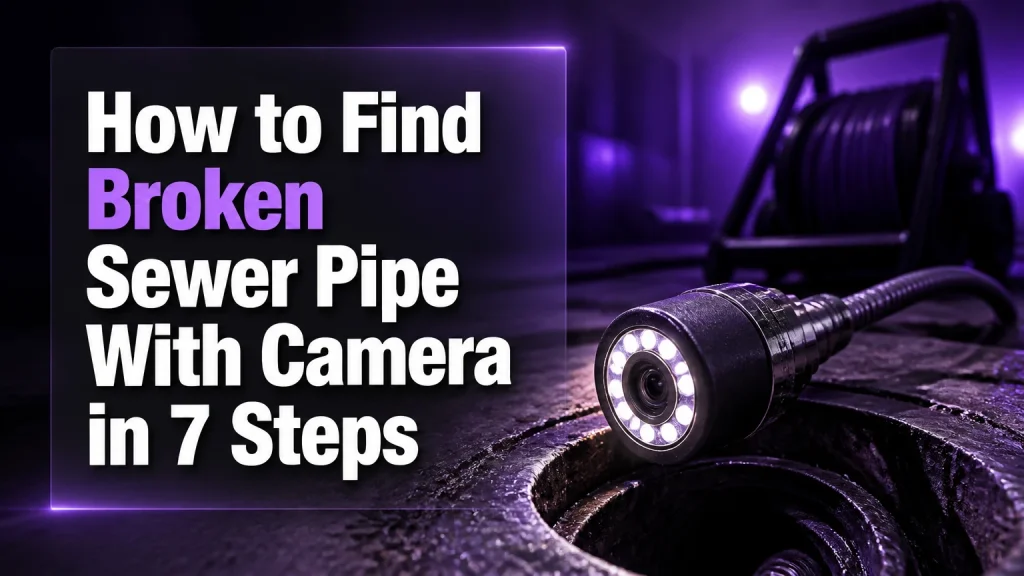
A sewer camera inspection finds a broken sewer pipe by sending a waterproof camera through a cleanout, recording the pipe interior, and locating the camera head above ground with a sonde transmitter. The operator marks the defect’s approximate position and depth, then confirms the finding before excavation or repair. Key Facts at a Glance A […]
What Does a Sewer Camera Inspection Show? A Pipe Guide
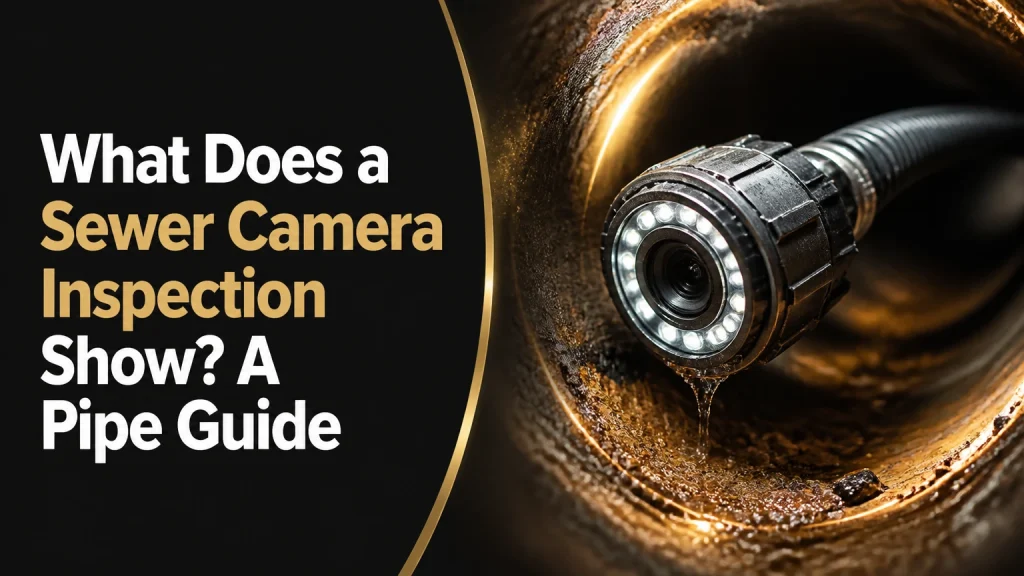
A sewer camera inspection shows the inside of a wastewater pipe, including blockages, tree roots, cracks, separated joints, offsets, standing water, corrosion, scale, and pipe material. A locating transmitter and distance counter can identify a defect’s approximate position and depth, but footage cannot reveal every external leak or inaccessible section. Key Facts at a Glance […]
Sewer Scope vs Home Inspection: Which Comes First?
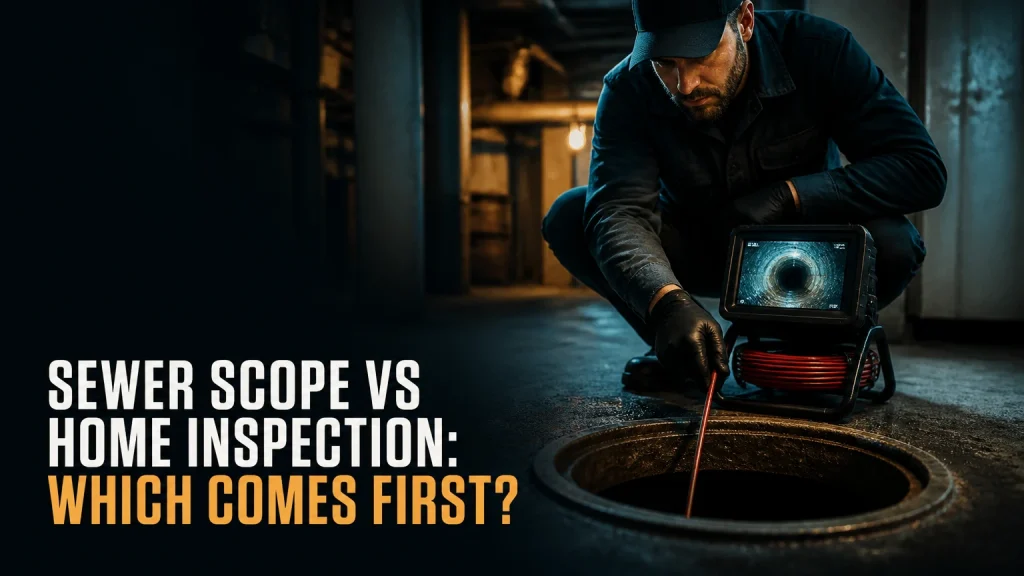
A sewer scope and a home inspection answer different property-risk questions. A home inspection evaluates accessible, visible house systems above and around the structure, while a sewer scope uses a camera to examine the buried drain line from the home toward the municipal main or septic connection. Most buyers should order both, because neither service […]
Sewer Camera Inspection for Broken Pipe: Costs and Fixes
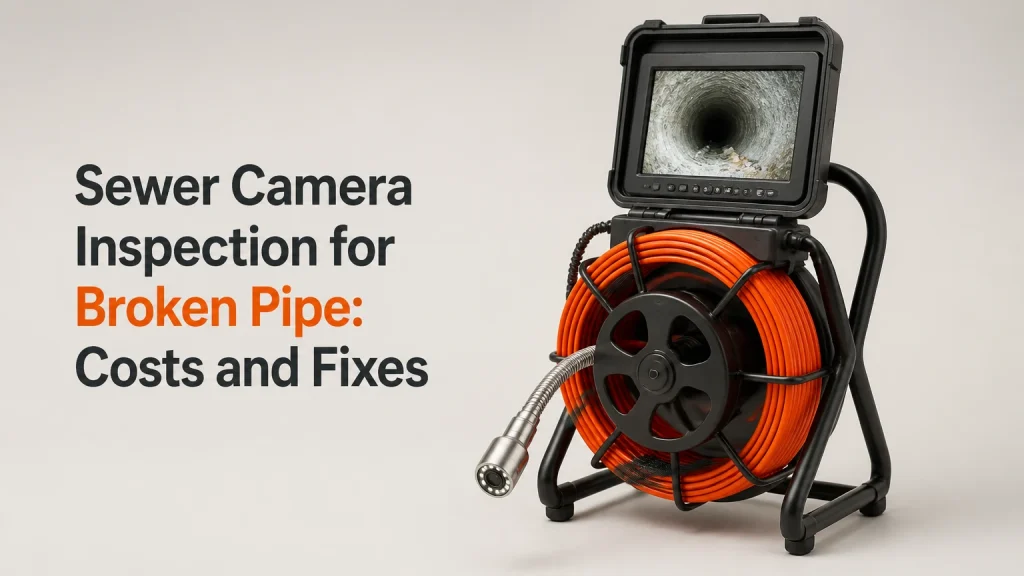
A sewer camera inspection for broken pipe diagnosis uses a waterproof camera to view the inside of a drain line, identify the failure, and locate its position from the surface. A qualified technician can usually document roots, cracks, separated joints, bellies, or collapse before excavation, although standing sewage, mud, and inaccessible sections can limit the […]
Sewer Camera Inspection Before Buying a House: Buyer’s Guide
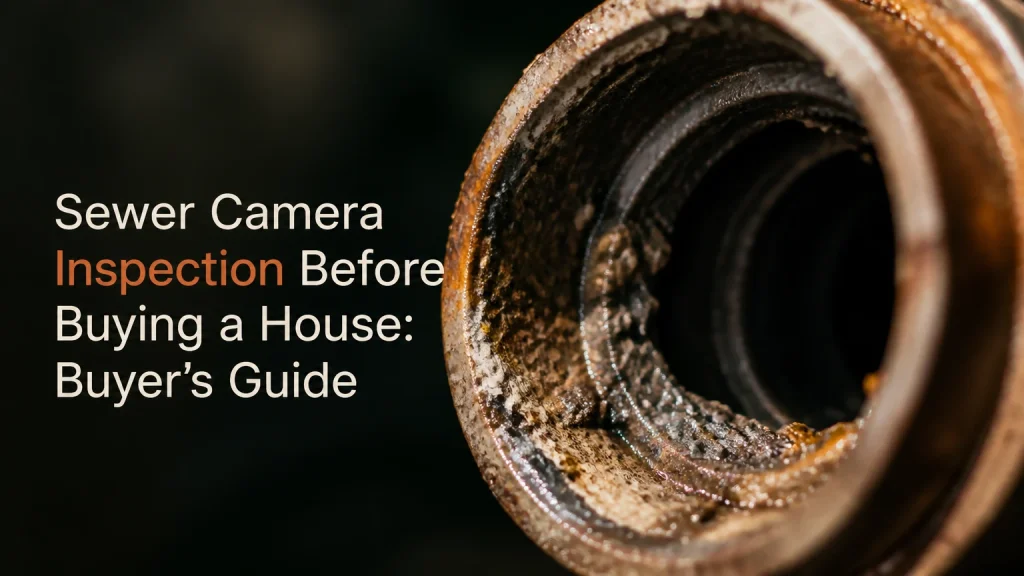
A sewer camera inspection before buying a house is a specialized video examination of the private lateral sewer line running from the building to a municipal main, shared connection, or septic tank. Buyers typically spend $200-$400 for 30-60 minutes of inspection, receiving footage that can reveal roots, offsets, bellies, cracks, corrosion, and collapse hidden underground. […]
Hydro Jetting vs Traditional Drain Cleaning: Which Wins?
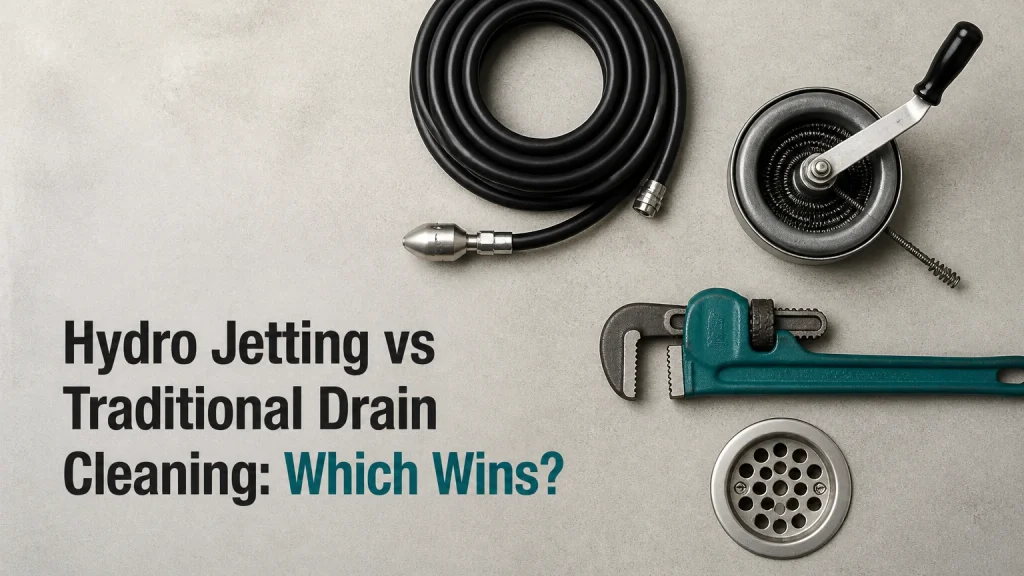
Hydro jetting is usually the better choice for grease, sludge, scale, and recurring sewer-line buildup because pressurized water cleans the pipe circumference. Traditional drain cleaning, commonly called snaking, is usually better for a fast, lower-cost response to an isolated hair, paper, or soft blockage, especially when pipe condition or access makes jetting unsuitable. Key Facts […]
Hydro Jetting Pressure for Sewer Lines: Safe PSI Guide
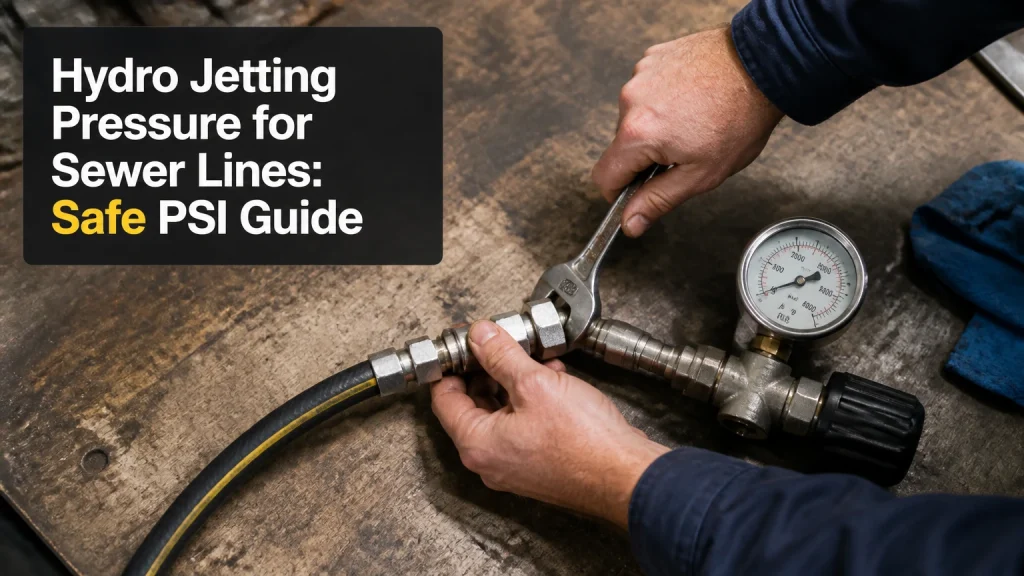
Hydro jetting pressure for sewer lines typically falls between 3,000 and 4,000 PSI for residential main lines, but safe operation depends on pipe material, condition, diameter, nozzle design, and flow rate. A professional chooses pressure and GPM after CCTV inspection, because a high pump rating does not prove that a damaged pipe can withstand the […]
Signs You Need Hydro Jetting: 8 Warning Signals
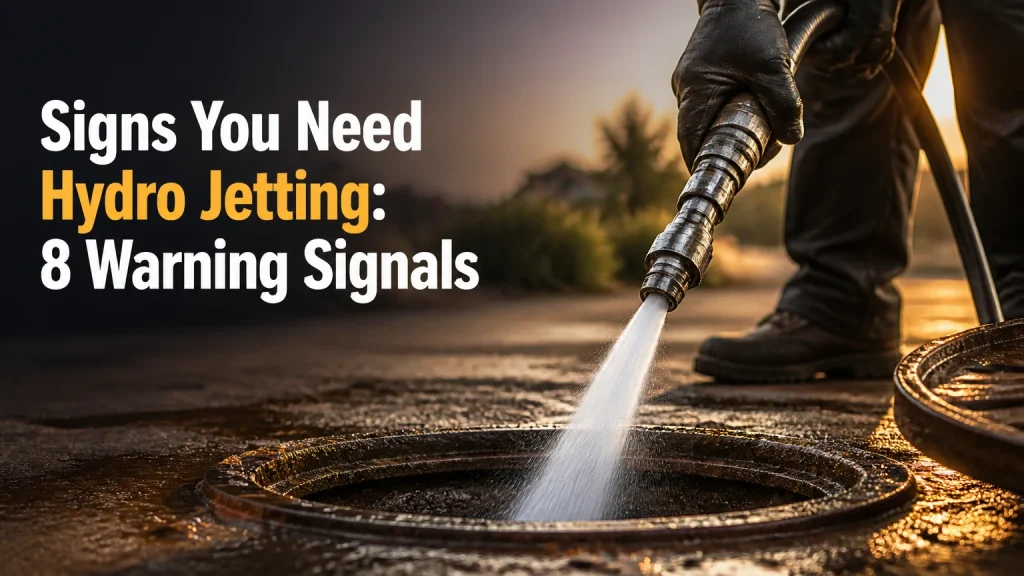
Hydro jetting is usually warranted when recurring or widespread drain trouble results from grease, scale, sludge, or roots coating a sewer pipe. The strongest signs are repeated backups after snaking, several fixtures draining poorly at once, sewage returning through low drains, or a camera showing heavy deposits inside an otherwise structurally sound line. Key Facts […]
How Hydro Jetting Removes Tree Roots: A Camera-First Guide
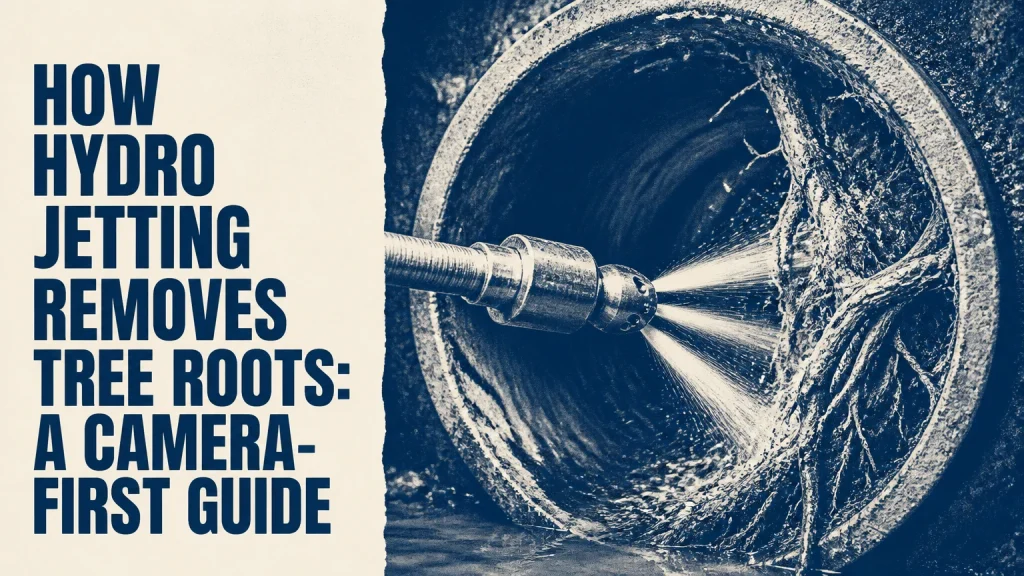
Hydro jetting removes tree roots from sewer pipes by directing high-pressure water through a specialized nozzle that cuts root fibers, shaves the remaining mass from pipe walls, and flushes the fragments downstream. A camera inspection must confirm that the pipe can withstand jetting, because water cleaning removes roots but cannot repair cracked, collapsed, or separated […]
How Often Should You Hydro Jet Sewer Line? A Safer Schedule
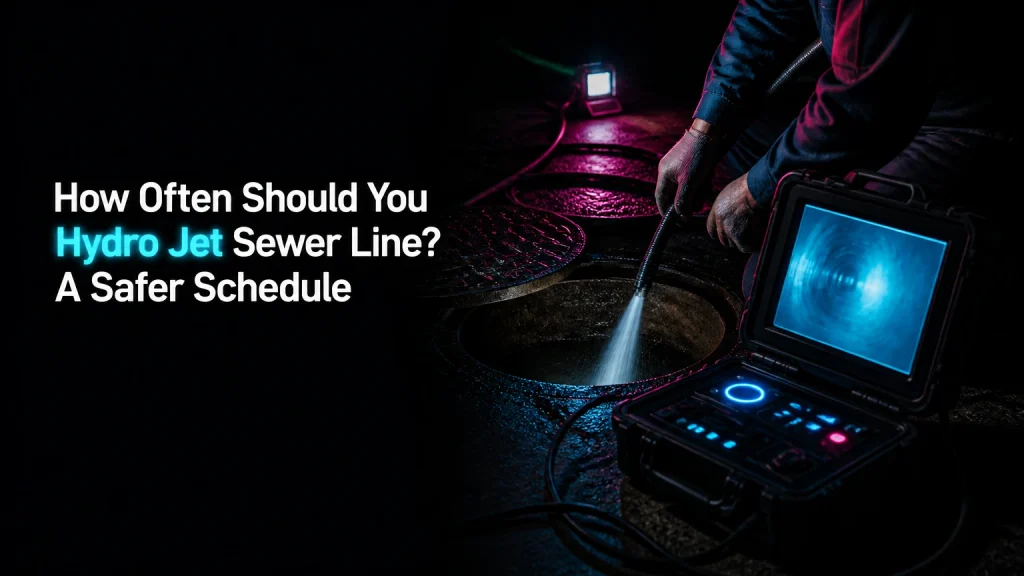
Most residential sewer lines need hydro jetting about every 18-24 months only when recurring grease, scale, or root intrusion justifies preventive cleaning. A stable PVC line may go 3-5 years or need no routine jetting, while a root-affected clay or cast-iron line may require inspection every 6-12 months. A camera inspection should determine the interval. […]