Main Sewer Line Clog Symptoms: 9 Signs and Next Steps
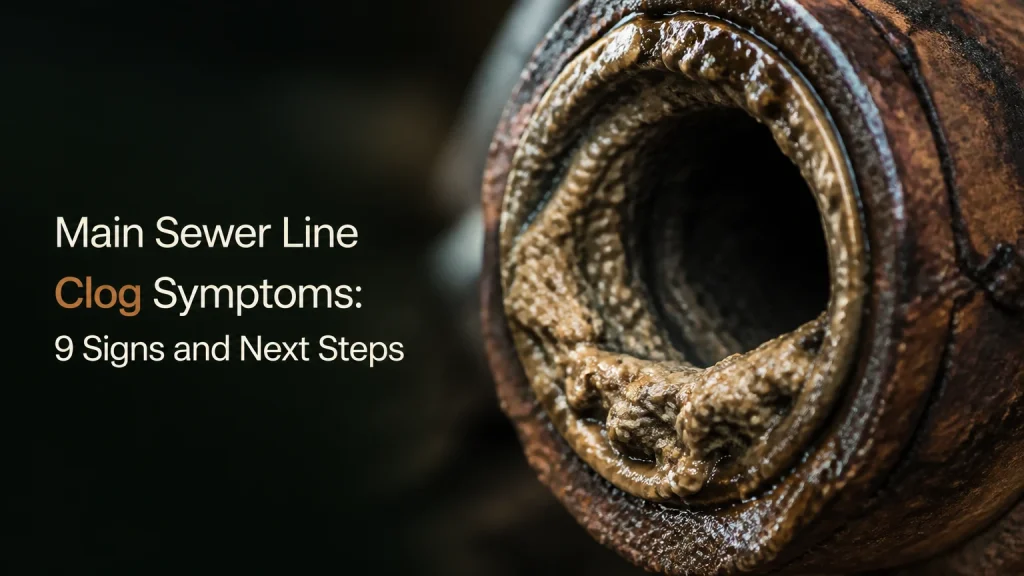
Main sewer line clog symptoms include multiple slow drains, toilets that gurgle or change water level, sewage backing up into a shower or floor drain, persistent sewer odor, and wastewater rising from an outdoor cleanout. The pattern matters more than one symptom: problems affecting fixtures in separate rooms usually indicate a restriction in the shared […]
How to Unclog Main Sewer Line With a Snake in 45 Minutes
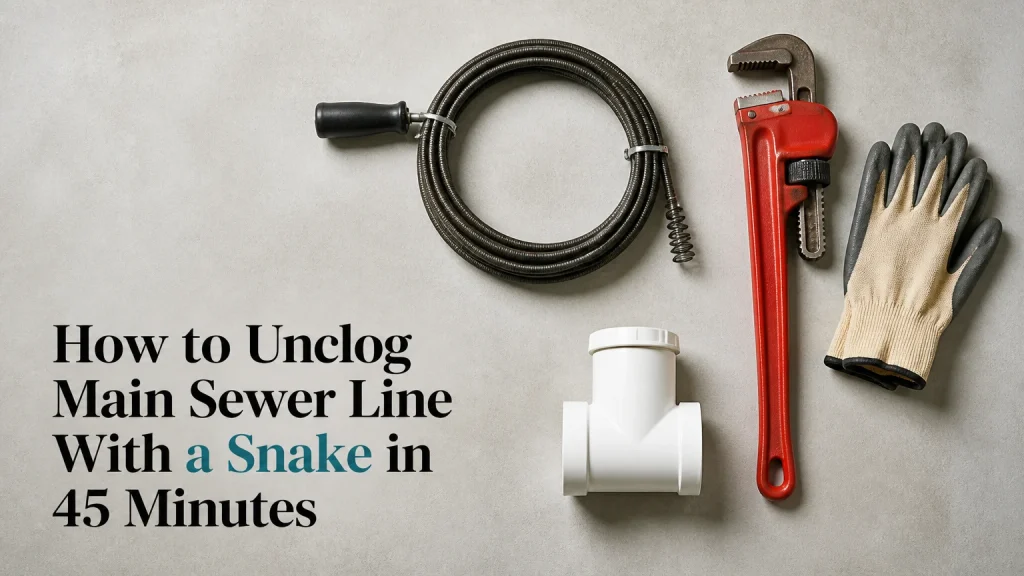
To unclog a main sewer line with a snake, use a properly sized motorized drain-cleaning machine through an accessible cleanout, feed the cable slowly in forward rotation, work the cutter through the obstruction, then flush and verify the line. The process typically takes 30-90 minutes, but roots, fragile pipe, sewage exposure, and structural damage make […]
How to Clean Main Sewer Line With Hydro Jetting Safely
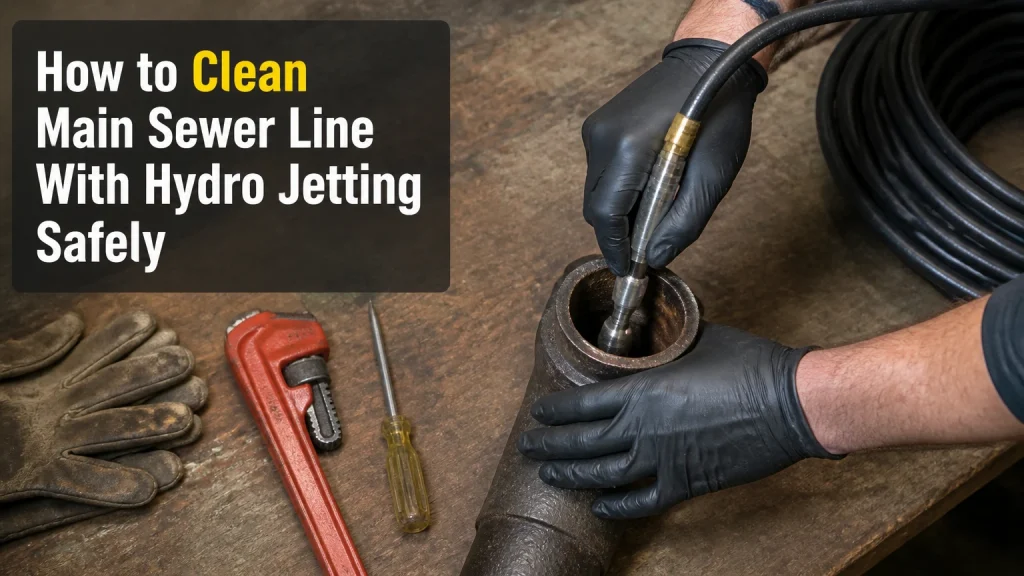
Hydro jetting cleans a main sewer line by sending high-volume, high-pressure water through a selected nozzle to cut roots, dissolve grease, remove scale, and flush debris downstream. A licensed plumber should inspect the pipe with a CCTV camera first, choose pressure and flow for the pipe material, and verify the line afterward. The typical residential […]
How to Find Main Sewer Line Cleanout: A Safe 7-Step Guide

A main sewer line cleanout is usually a 3- or 4-inch capped access fitting on the private building sewer between your house and the municipal sewer connection or septic tank. To find it, search interior utility areas, inspect the foundation perimeter, trace the drain’s route toward the street or tank, and use a plumber’s camera […]
Signs of a Clogged Main Sewer Line: Know When to Act
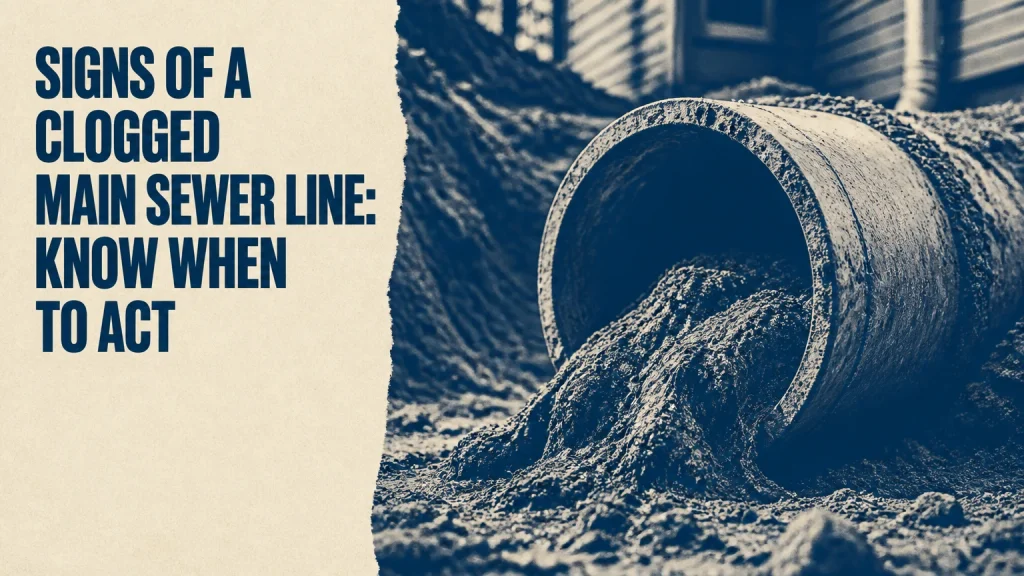
The signs of a clogged main sewer line usually involve multiple fixtures, cross-fixture backups, gurgling toilets, or sewage emerging at the lowest drain or exterior cleanout. A single slow sink more often indicates a local branch-line clog, while simultaneous symptoms across bathrooms, laundry areas, and basement drains indicate a blockage downstream of those fixtures. Key […]
Sewer Cleaning vs Drain Cleaning: Choose the Right Fix
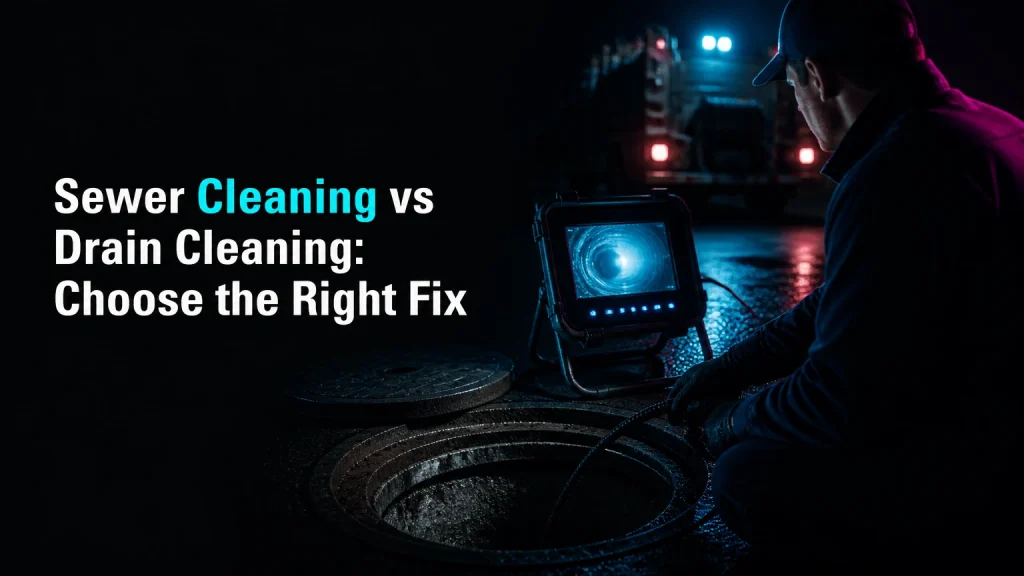
Sewer cleaning vs drain cleaning comes down to location and scale: drain cleaning clears a fixture branch serving one sink, tub, shower, or toilet, while sewer cleaning clears the larger main line carrying wastewater from the building toward a municipal sewer or septic system. Multiple affected fixtures usually point to the main line, not one […]
How Often Should Sewer Lines Be Cleaned? A Safe Schedule
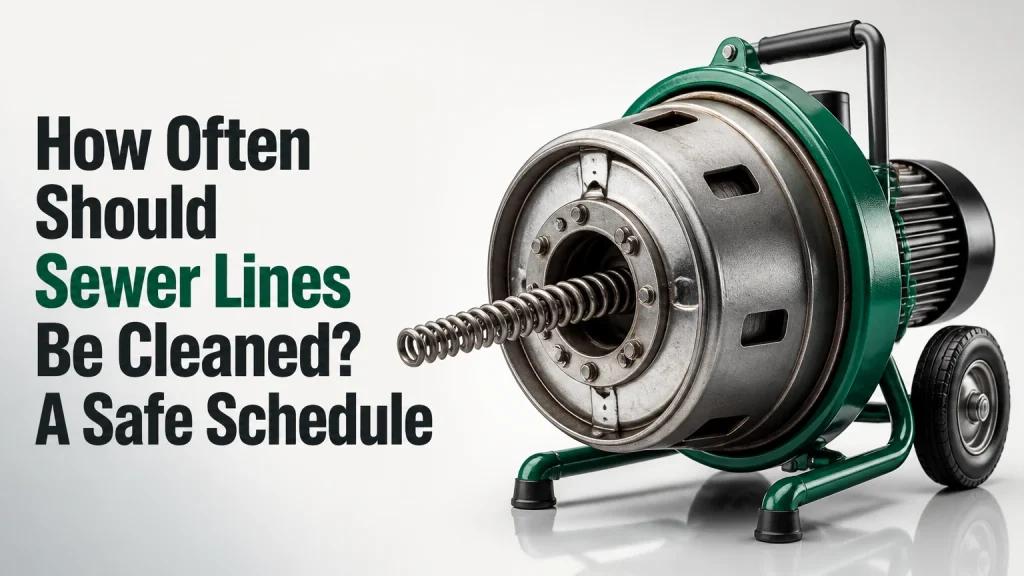
Main sewer lines should usually receive preventive professional cleaning every 18-24 months, but the correct interval depends on pipe age, material, tree-root exposure, grease loading, and previous backups. Older clay or cast-iron lines near mature trees often need annual service, while newer PVC lines may need cleaning only when inspection or symptoms justify it. Key […]
How to Remove Tree Roots From Sewer Line Safely
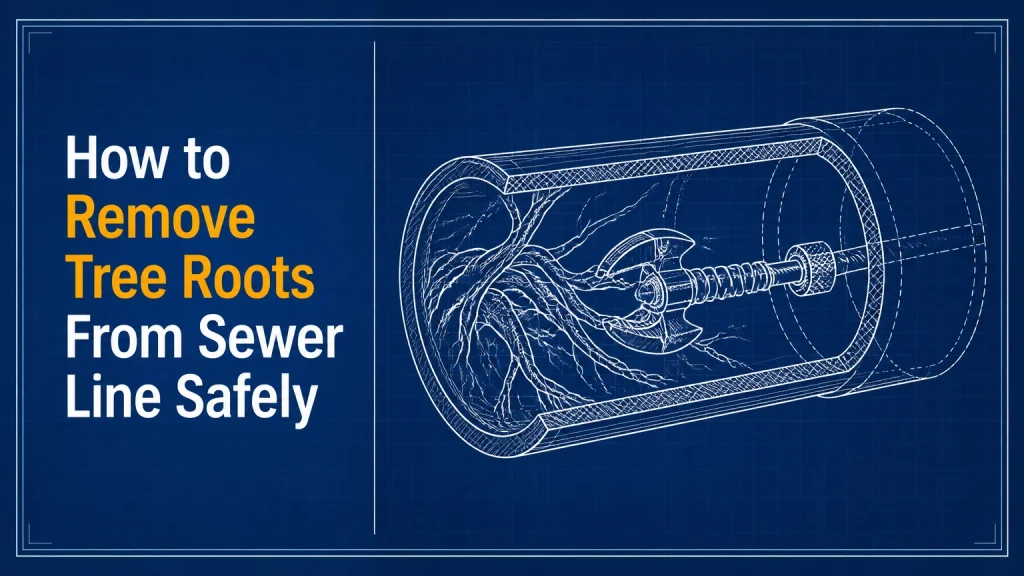
To remove tree roots from a sewer line, first confirm the blockage with a sewer camera, then cut the roots with a properly sized drain auger or hydro-jet nozzle. Root-killing treatment can slow regrowth, but recurring intrusion usually requires pipe repair, such as CIPP lining, pipe replacement, or excavation. Key Facts Tree roots usually enter […]
How to Unclog Main Sewer Line Safely
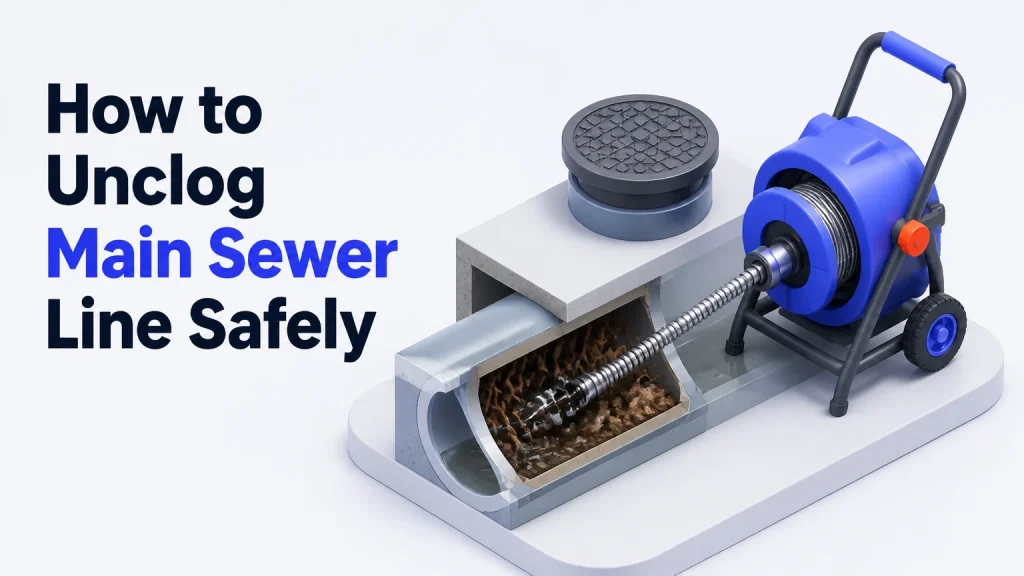
To unclog a main sewer line, stop all water use, locate and carefully open the proper cleanout, then clear the obstruction with a correctly sized sewer auger or professional hydro jetter. A homeowner should attempt only a low-risk, accessible cleanout blockage; suspected roots, collapsed pipes, sewage exposure, or a stuck cable require a licensed plumber […]
Main Sewer Line Cleaning Methods: A Safer Guide
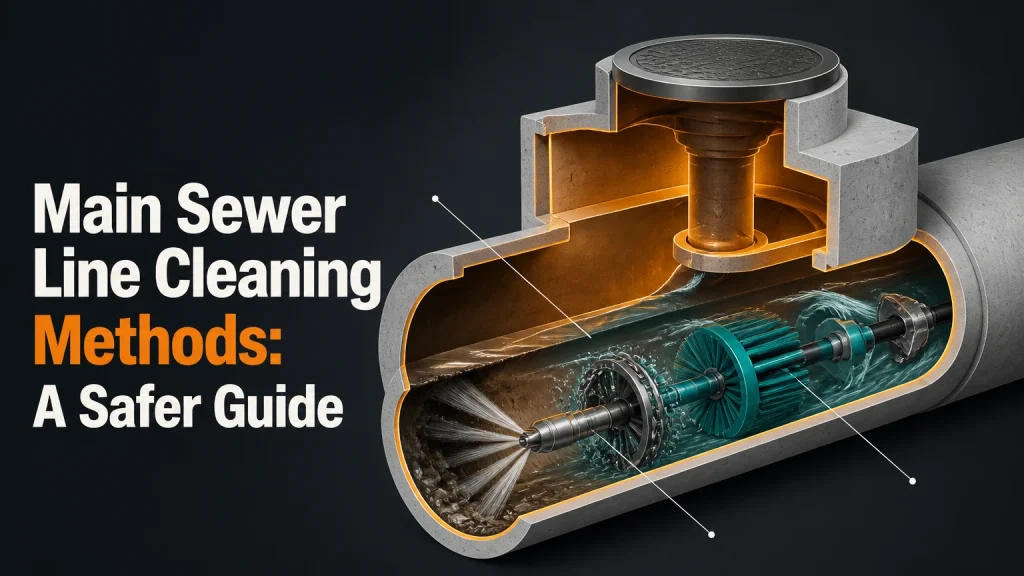
Main sewer line cleaning methods include mechanical augering, hydro jetting, descaling, and carefully selected chemical root treatments. Mechanical cables usually restore flow through a localized obstruction, while hydro jetting cleans broader deposits from sound pipe walls. A CCTV inspection should guide the method whenever roots, recurring backups, old pipe, or structural damage is possible. Key […]