How to Repair Cast Iron Sewer Pipe: Choose the Right Fix
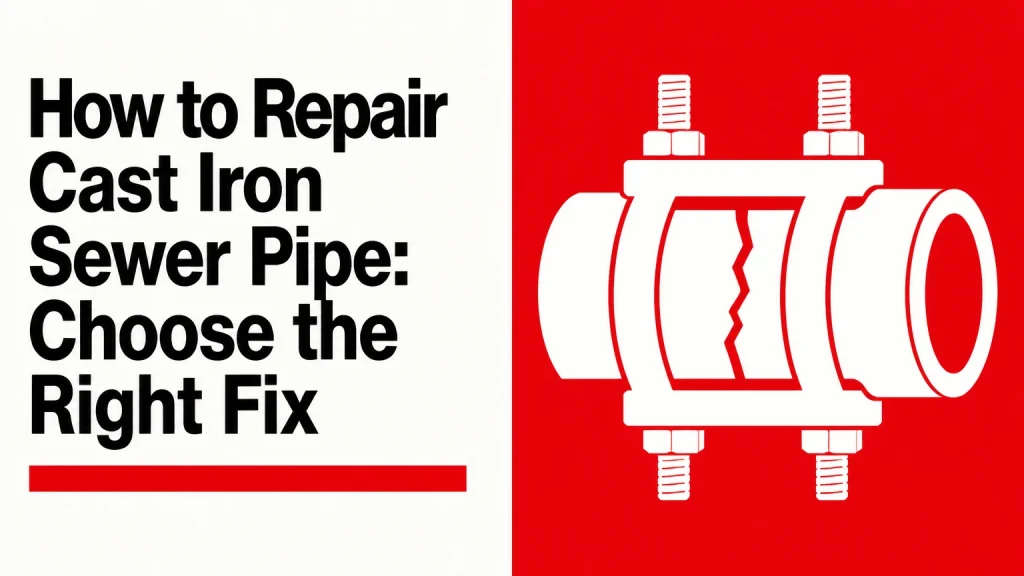
To repair cast iron sewer pipe, first confirm the defect with a sewer camera and locate the entire affected run, then choose spot repair, CIPP lining, pipe bursting, or open-trench replacement. A typical professional repair takes one to seven days and costs about $2,000-$25,000, with pipe condition and access determining whether trenchless work is suitable. […]
Cast Iron Pipe Repair vs Replacement: Choose Wisely

Cast iron pipe repair is usually the better choice for one accessible, structurally isolated defect, while replacement is safer when corrosion, cracking, or failure affects multiple connected sections. The decision depends on camera evidence, pipe-wall integrity, collapse risk, access, project cost, and ownership plans, not on the pipe’s age alone. Key facts A cast iron […]
Sewer Lining vs Sewer Replacement: Choose the Right Fix
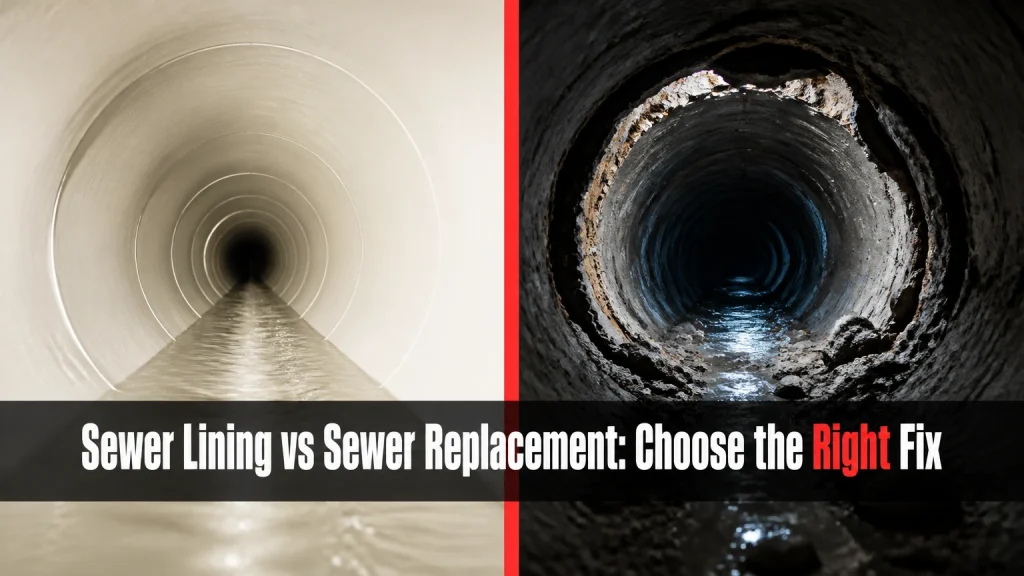
Sewer lining repairs a damaged pipe from the inside, while sewer replacement removes the existing pipe and installs a new one, usually through excavation. Lining is often the better choice for cracks, leaking joints, and root intrusion when the host pipe remains open and correctly graded. Replacement is usually necessary for collapse, severe deformation, or […]
How to Fix a Sewer Line Belly: Permanent Repair Guide
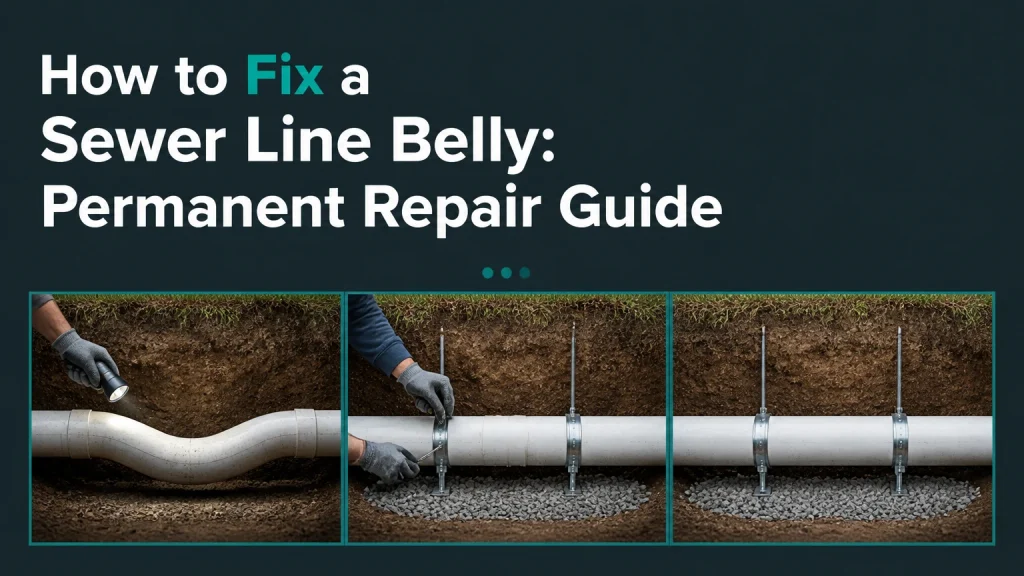
To fix a sewer line belly permanently, expose the sagged section, remove the unstable bedding, rebuild a compacted pipe foundation, and install replacement pipe at the designed grade. A camera inspection must first confirm the belly’s location, length, depth, and severity because snaking, hydro-jetting, and most pipe liners remove symptoms without restoring the sewer line’s […]
How to Repair Sewer Pipe Underground Without Guesswork
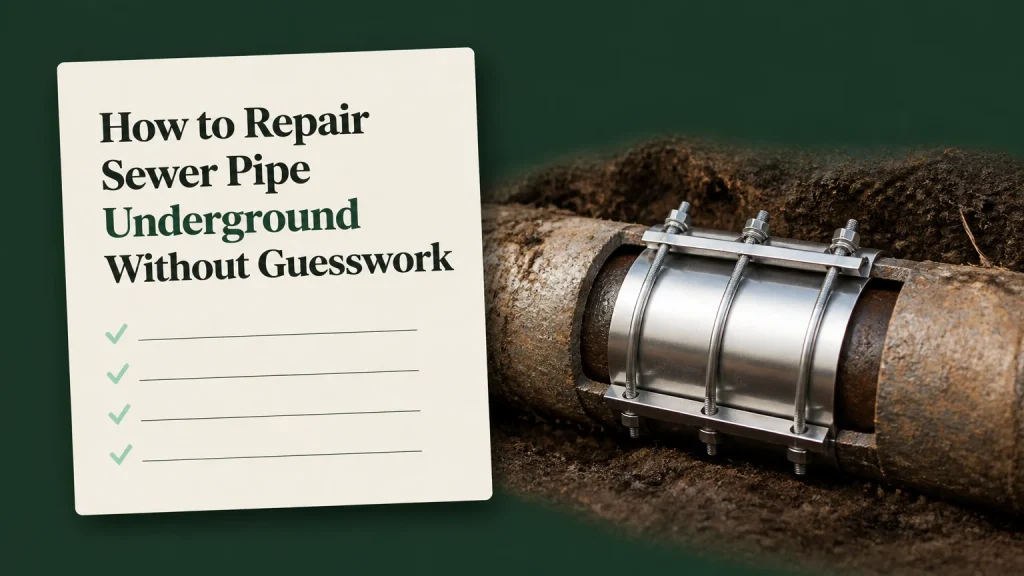
To repair sewer pipe underground, first confirm the defect with a cleanout-accessed CCTV inspection, then clean and measure the line before selecting CIPP lining, pipe bursting, spot repair, slip lining, or open-cut replacement. A typical residential repair takes several hours to five days, and the correct method depends primarily on pipe slope, collapse, access, depth, […]
How to Repair Cracked Sewer Pipe: Choose the Right Method
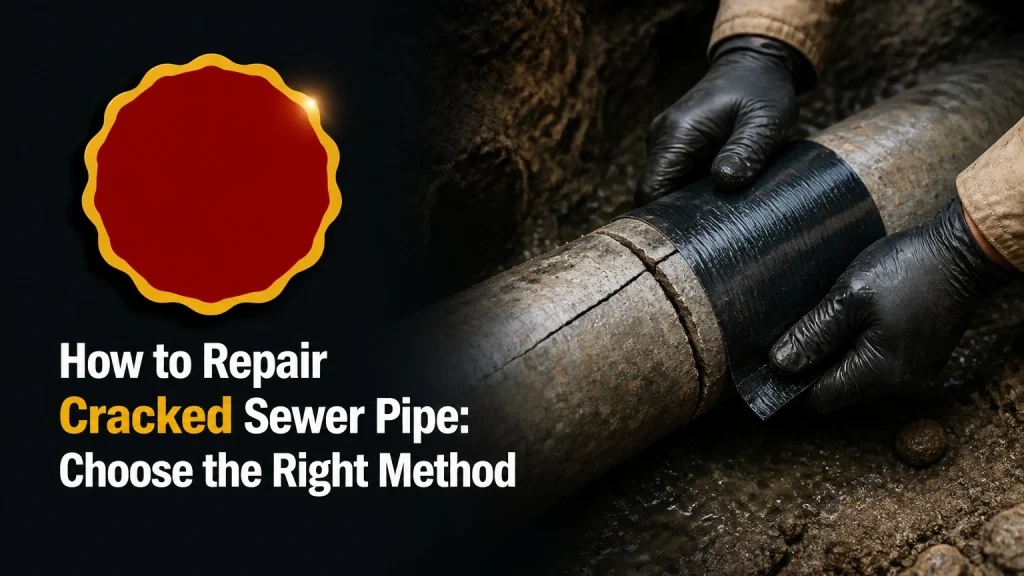
To repair a cracked sewer pipe, first confirm the crack with a sewer camera, clear the line, and determine whether the pipe remains round and properly sloped. A localized crack may need a sectional patch, while long cracks usually need CIPP lining, severe deformation may require pipe bursting, and collapse or poor grade often requires […]
Trenchless Sewer Repair vs Pipe Lining: Which Wins?
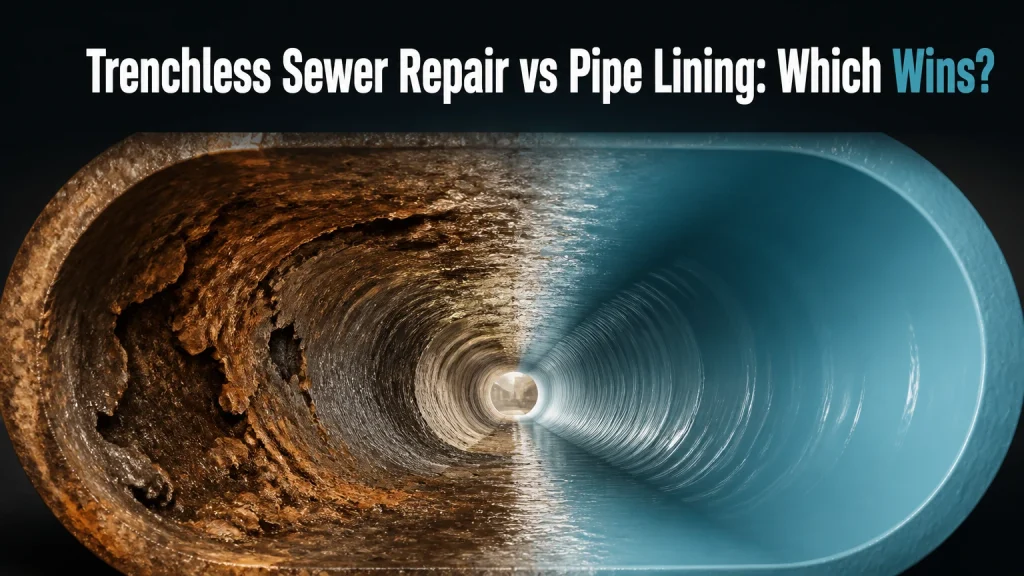
Trenchless sewer repair is the broad category of no-dig rehabilitation and replacement methods, while pipe lining is one specific method within that category. Pipe lining usually repairs a structurally adequate host pipe by curing an epoxy-saturated sleeve inside it; pipe bursting replaces the old line and can increase its diameter. The right choice depends primarily […]
How to Prevent Sewer Line Damage: A 10-Step Home Plan
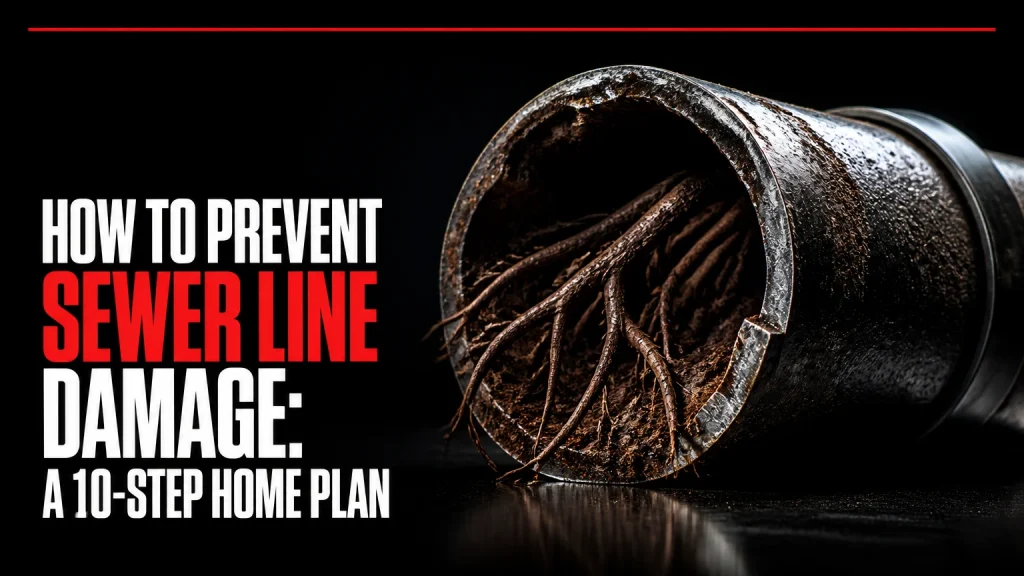
To prevent sewer line damage, keep tree roots and heavy loads away from the buried lateral, prevent grease and non-dispersible waste from entering the main drain, maintain correct drainage, and inspect older or symptomatic pipes with a camera. The most effective plan combines daily disposal habits, property protection, and risk-based professional maintenance. Key Facts at […]
How Trenchless Sewer Repair Works: Steps, Costs, and Limits
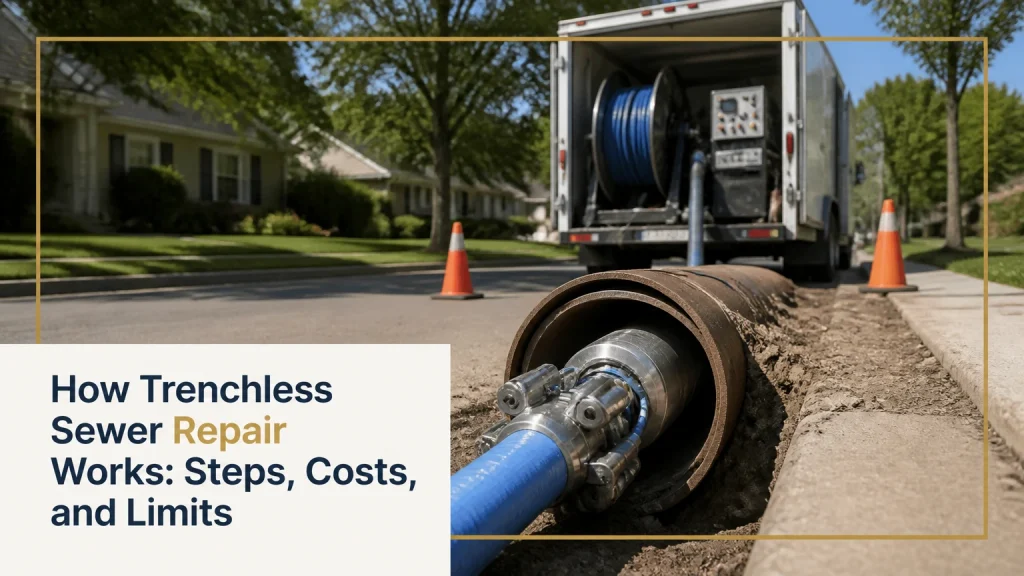
Trenchless sewer repair rehabilitates or replaces underground wastewater pipe through cleanouts, existing manholes, or small access pits instead of exposing the entire line in a continuous trench. Contractors first inspect and clean the host pipe, then install a liner, replacement pipe, or internal coating and verify the finished sewer with CCTV and appropriate tests. Key […]
How Sewer Pipe Lining Works: A Practical Guide
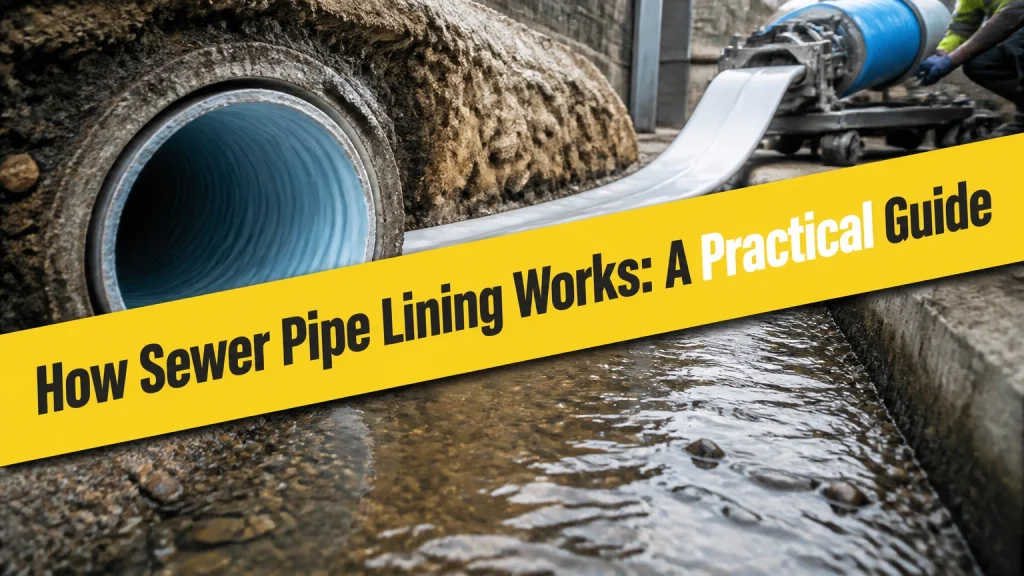
Sewer pipe lining repairs a damaged underground sewer by installing a resin-saturated tube inside the existing host pipe and curing it into a continuous structural pipe. Contractors inspect and clean the line, insert or invert the liner, hold it against the host pipe while the resin cures, reopen branch connections, and verify the finished passage […]