Restaurant Sewer Cleaning: Costs, Methods, and Schedules
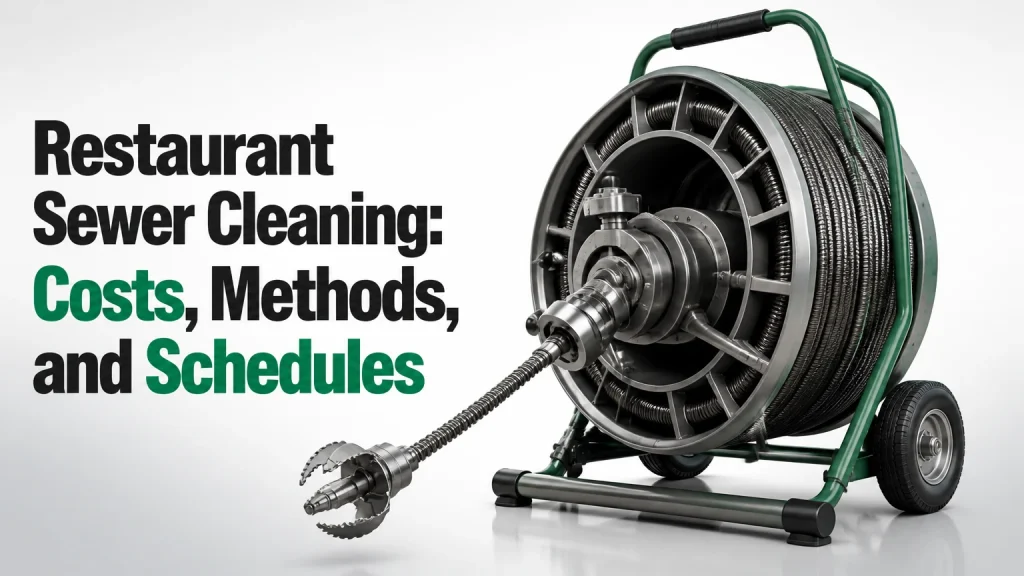
Restaurant sewer cleaning is the professional removal of fats, oils, grease, food solids, sludge, scale, roots, and foreign objects from commercial kitchen wastewater lines. The service combines diagnosis, mechanical cleaning, wastewater containment, and verification to restore flow and reduce backups, odors, pest activity, equipment downtime, and regulatory problems. Key Facts at a Glance What Does […]
How to Locate a Broken Sewer Line Without Digging
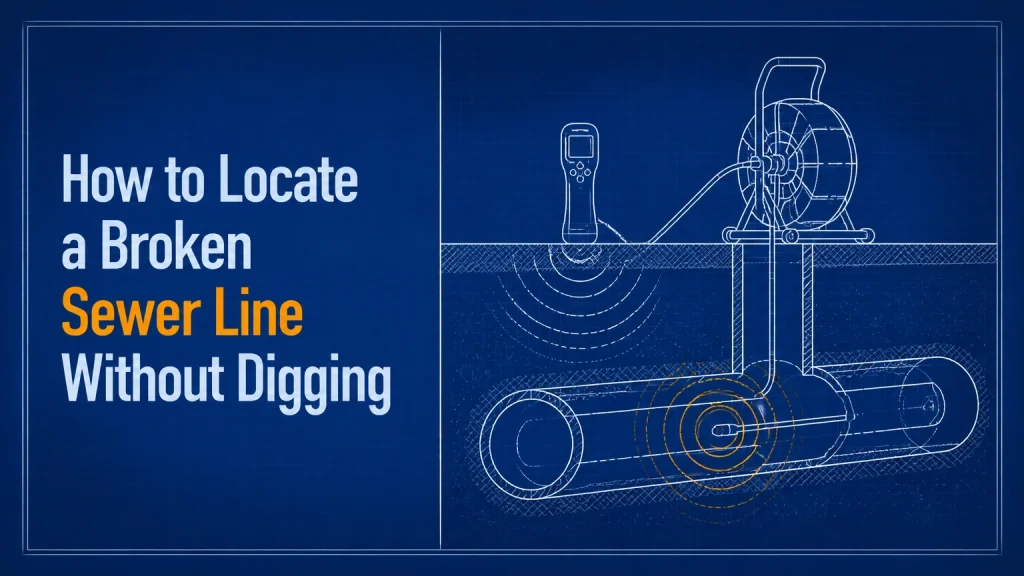
To locate a broken sewer line, a plumber inserts a waterproof CCTV camera with a radio sonde through a cleanout, stops at the suspected defect, and traces the sonde from the surface with an electronic receiver. The technician marks the pipe route, break position, and estimated depth before excavation, reducing the risk of digging in […]
Commercial Drain Maintenance: Costs, Schedules, and Methods
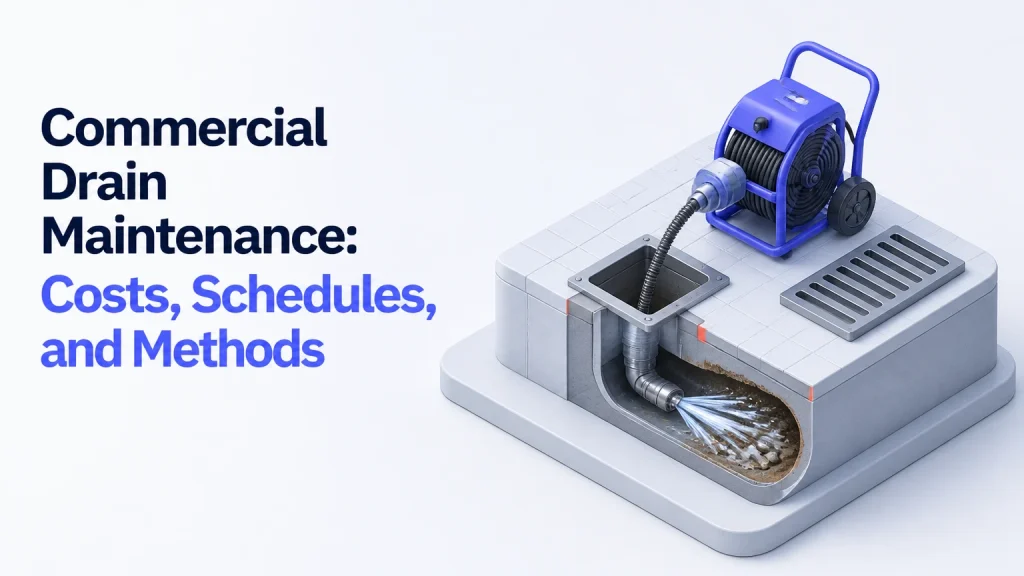
Commercial drain maintenance is a planned program of inspection, cleaning, prevention, and repair for wastewater fixtures, branch lines, stacks, interceptors, and building sewers. The program reduces blockages and downtime by matching CCTV inspection, mechanical cleaning, hydro-jetting, grease control, and documentation to the facility’s waste profile and pipe condition. Key Facts at a Glance Commercial drain […]
Sewer Line Root Intrusion: Diagnose and Fix It
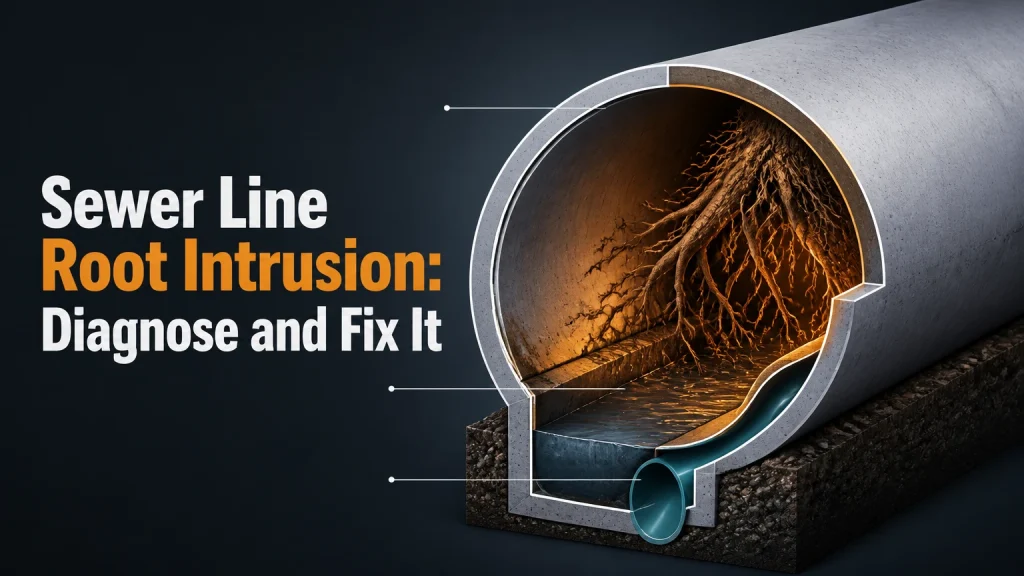
Sewer line root intrusion occurs when tree or plant roots enter a buried wastewater pipe through an open joint, crack, connection, or deteriorated wall. The roots create a fibrous blockage that catches paper and grease, so repeated backups usually require camera diagnosis, root removal, and repair of the entry defect rather than another routine drain […]
Restaurant Drain Cleaning: Prevent Grease Blockages
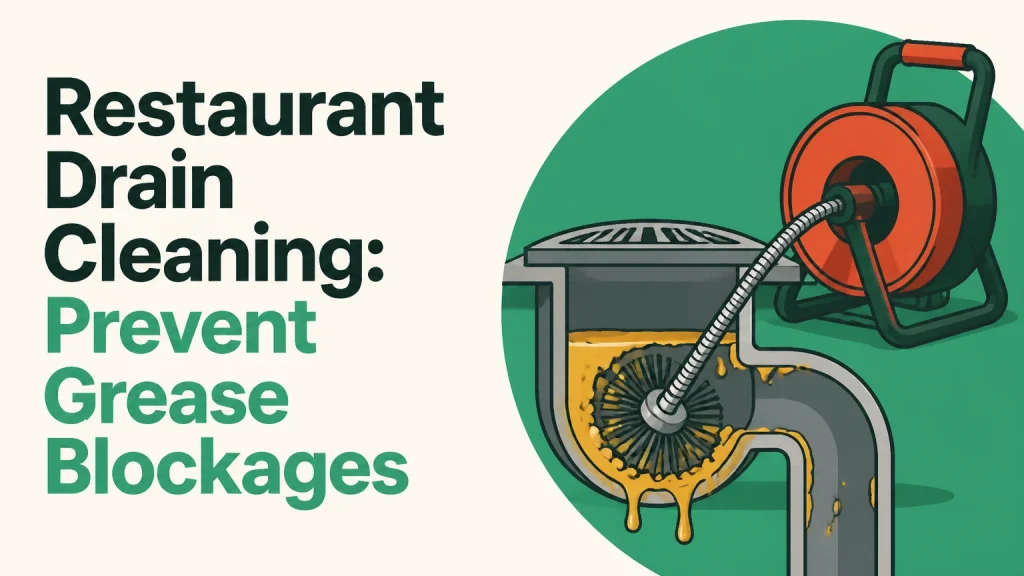
Restaurant drain cleaning is the professional removal of fats, oils, grease, food solids, mineral scale, and other buildup from commercial kitchen drainage. The correct service combines diagnosis, mechanical clearing, and pipe-wall cleaning, while prevention depends on grease-interceptor maintenance, staff practices, and a schedule matched to the kitchen’s wastewater volume. Key Facts at a Glance What […]
How to Diagnose Sewer Line Problems: Find the Failure Fast
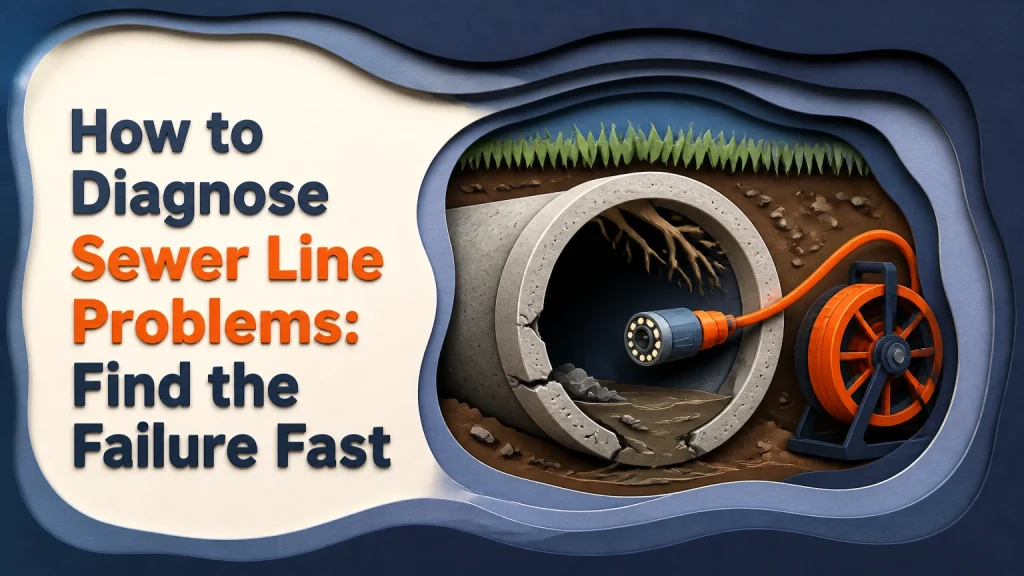
To diagnose sewer line problems, first determine whether the failure affects one fixture or multiple fixtures, then inspect the accessible main cleanout and clear standing wastewater safely. A professional sewer camera inspection is the primary test for locating roots, cracks, offsets, bellies, scale, and collapse, while smoke, dye, or pressure testing confirms leaks and odor […]
Commercial Drain Clog Causes: The Complete Facility Guide
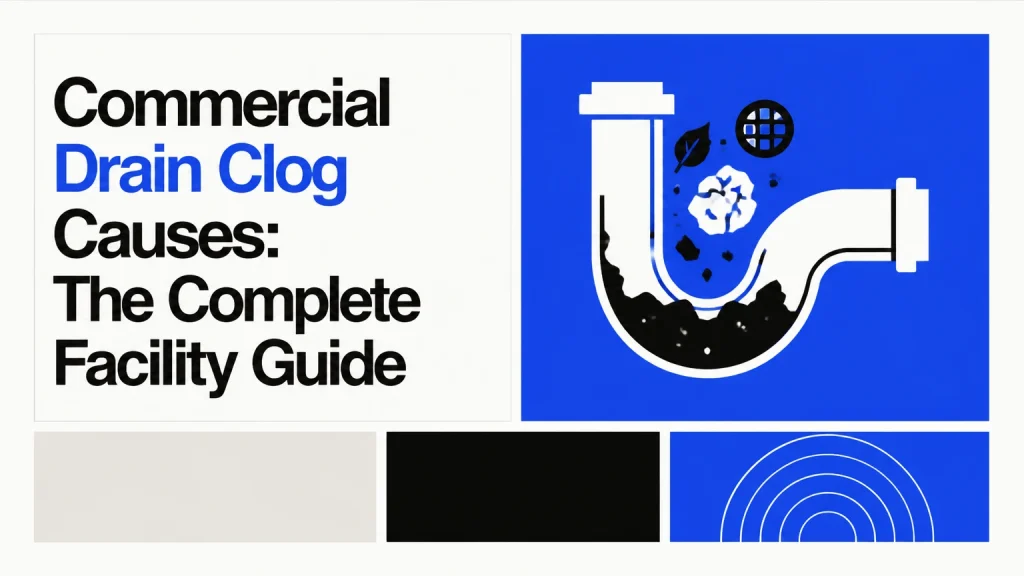
Commercial drain clog causes include fats, oils, and grease, foreign objects, mineral or uric scale, roots, pipe defects, and trade-specific solids such as lint, hair, plaster, and production residue. High wastewater volume accelerates buildup, while failed interceptors, poor disposal practices, inadequate slope, and aging underground lines turn localized restrictions into costly backups. Key Facts FOG […]
Commercial Kitchen Drain Cleaning: Cost and Best Method
Commercial kitchen drain cleaning is the professional removal of fats, oils, grease, food solids, sludge, scale, and other obstructions from food-service drainage systems. The correct service combines diagnosis, physical clearing, pipe-wall cleaning, grease-interceptor maintenance, and prevention, rather than simply punching a hole through a recurring clog. Key Facts at a Glance What Is Commercial Kitchen […]
Commercial Sewer Backup Causes: Diagnose and Prevent Them
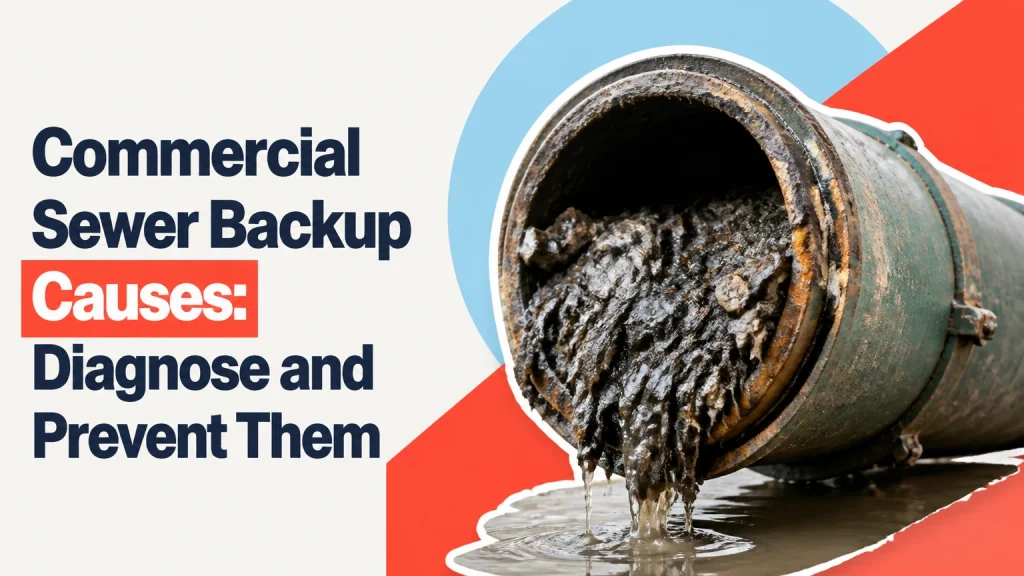
Commercial sewer backup causes usually fall into four groups: grease and solids accumulation, structural pipe failure, foreign-object blockage, and municipal sewer surcharge. A business backup occurs when wastewater cannot reach the public sewer main, fills the building drain system, and exits through a low fixture such as a floor drain, toilet, or sink. Key Facts […]
Commercial Sewer Maintenance: Costs, Methods, and Plans
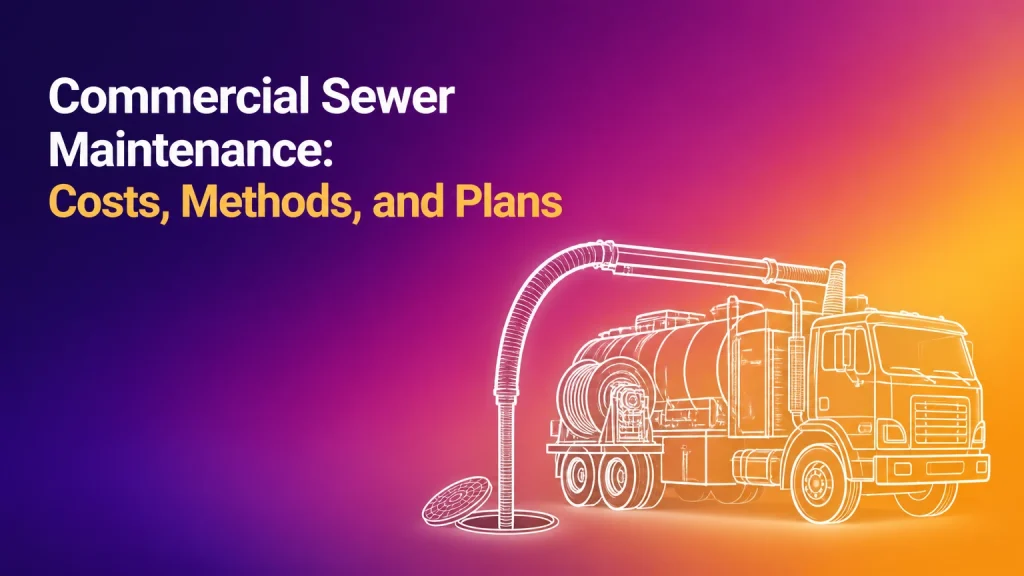
Commercial sewer maintenance is the planned inspection, cleaning, monitoring, and repair of wastewater piping serving business properties. The work protects flow capacity, public health, building operations, and the structural condition of private sewer laterals, building drains, lift stations, grease-control devices, and connected wastewater assets. Key Facts at a Glance What Is Commercial Sewer Maintenance? Commercial […]