Grease Trap Cleaning With a Pump: Cost and Steps
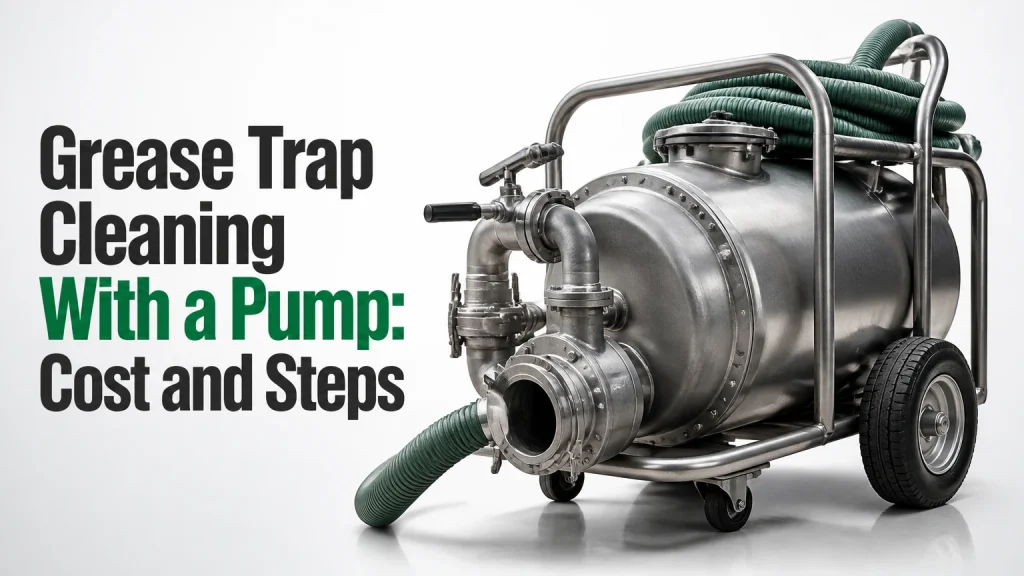
Grease trap cleaning with a pump removes wastewater, fats, oils, grease, and settled solids from a plumbing interceptor so the trap can separate kitchen waste correctly. A complete service isolates the fixture, measures accumulated layers, extracts the bottom sludge and floating grease, cleans accessible components, inspects the tank, refills it with water, and documents legal […]
Tree Root Sewer Line Damage: Find the Right Fix
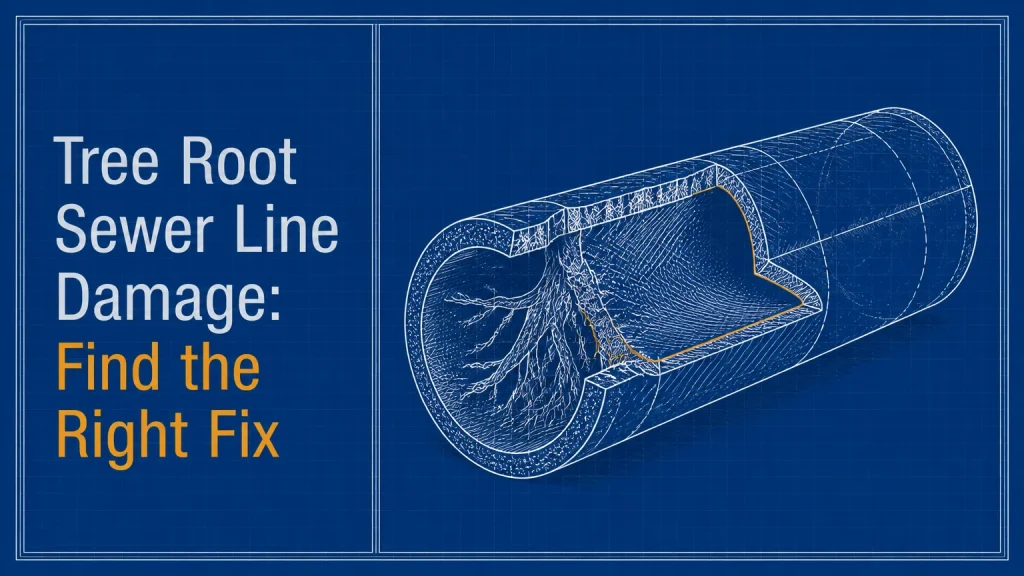
Tree root sewer line damage occurs when roots enter a defective underground sewer pipe through an open joint, crack, failed seal, or connection, then form a blockage that can worsen leakage and structural failure. A camera inspection determines whether cleaning is enough or whether the lateral needs lining, replacement, or excavation. Key facts at a […]
Grease Trap vs Oil Separator: Which One Fits?
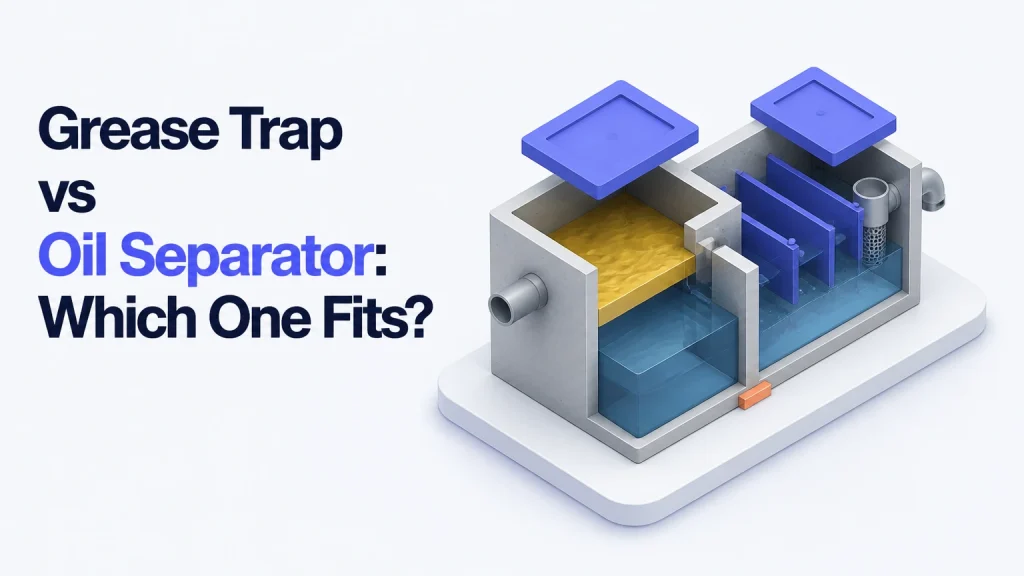
A grease trap captures fats, oils, and grease from commercial kitchen wastewater, while an oil separator captures petroleum-based hydrocarbons from vehicle, fuel, and industrial drainage. The correct choice depends first on the pollutant source, then on flow rate, solids, drainage type, discharge limits, and whether oils are emulsified. Key facts at a glance Grease traps […]
Signs of a Broken Sewer Line: 11 Signs and Repair Decisions
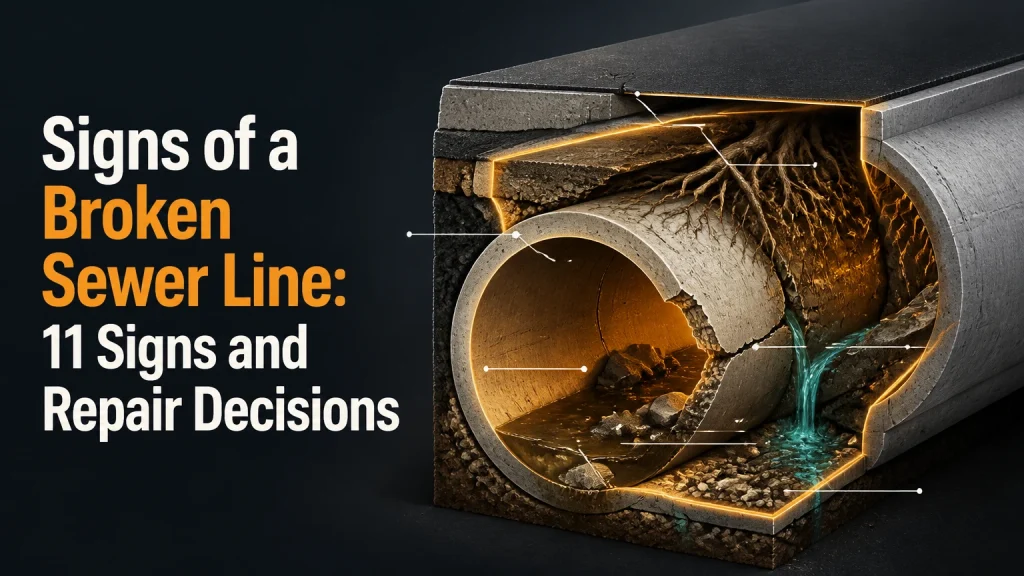
The most reliable signs of a broken sewer line are recurring backups in multiple fixtures, sewage odors that persist after traps are checked, unusually wet or settled ground, and camera-confirmed cracks, root intrusion, sagging, or collapse. A single slow sink usually indicates a local clog, while system-wide symptoms point toward the building sewer or private […]
Sewer Line Leak Symptoms: 15 Signs and Fast Next Steps
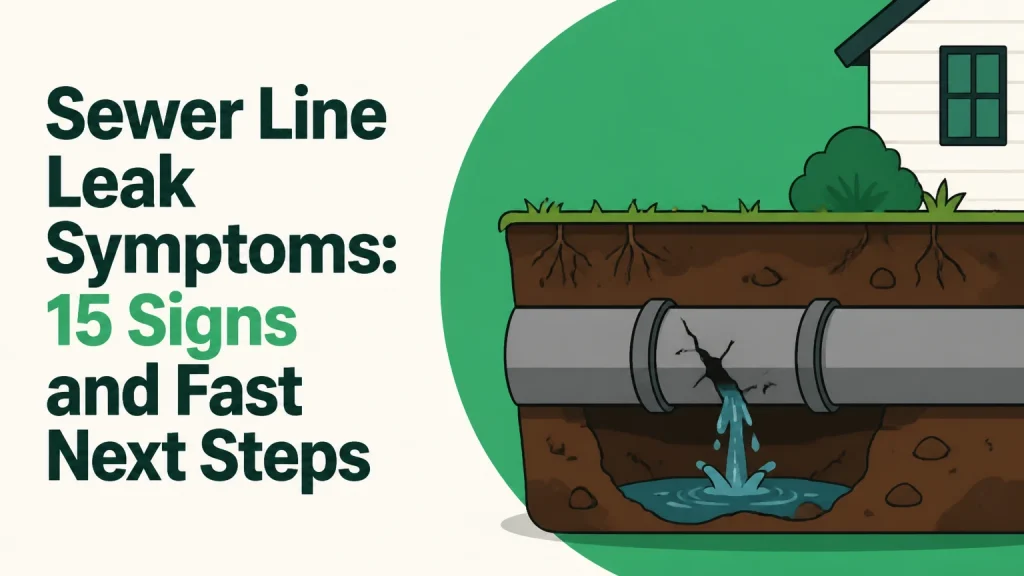
Sewer line leak symptoms include persistent sewage odor, several slow drains, gurgling toilets, wastewater backing up into low fixtures, unexplained indoor dampness, and unusually green or soggy ground above the buried pipe. These signs indicate a damaged, blocked, or leaking building sewer, but a camera inspection is usually needed to distinguish a structural leak from […]
Grease Trap vs Grease Interceptor: Which Fits Your Kitchen?
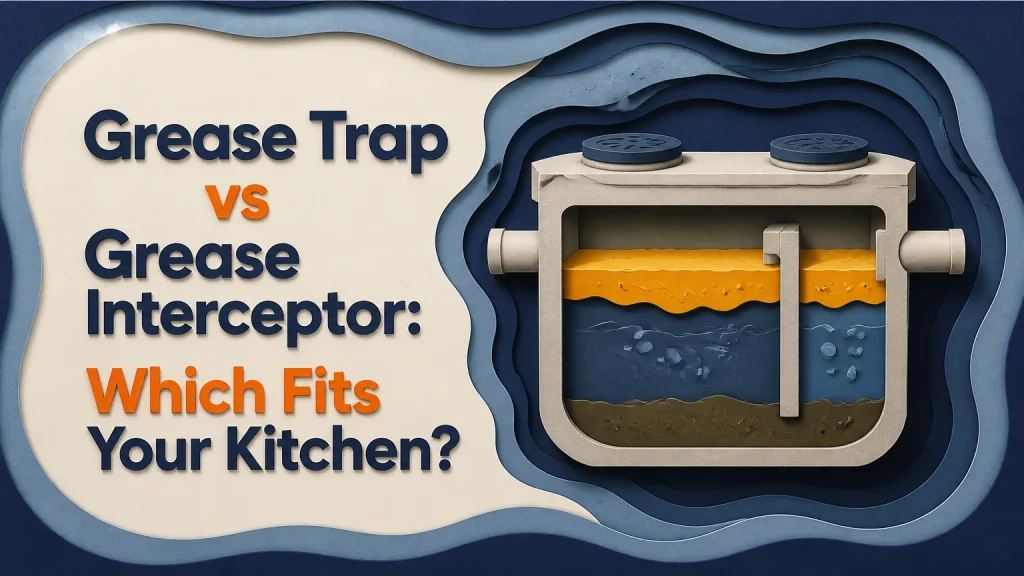
A grease trap is a compact hydro-mechanical grease interceptor, usually installed indoors near one or more kitchen fixtures, while a grease interceptor commonly means a larger gravity tank installed outside or below ground. Both remove fats, oils, and grease from wastewater, but flow rate, retention volume, installation location, maintenance access, and local code determine the […]
Broken Sewer Line Symptoms: Signs and Repair Costs
Broken sewer line symptoms usually include repeated backups in multiple fixtures, toilet gurgling, sewage odors, unexplained wet or sunken ground, and unusually lush grass over the pipe route. A single slow sink usually indicates a local drain problem, while simultaneous reactions from toilets, tubs, and floor drains suggest a main sewer lateral restriction or structural […]
Grease Interceptor Maintenance: Prevent Backups and Fines
Grease interceptor maintenance is the scheduled inspection, measurement, pumping, cleaning, repair, and documentation required to keep fats, oils, grease, and food solids from entering a sanitary sewer. Effective maintenance keeps grease and settled solids below the applicable local threshold, preserves hydraulic flow, and proves compliance through service records. Key Facts at a Glance A grease […]
Collapsed Sewer Line Symptoms: Diagnose and Repair
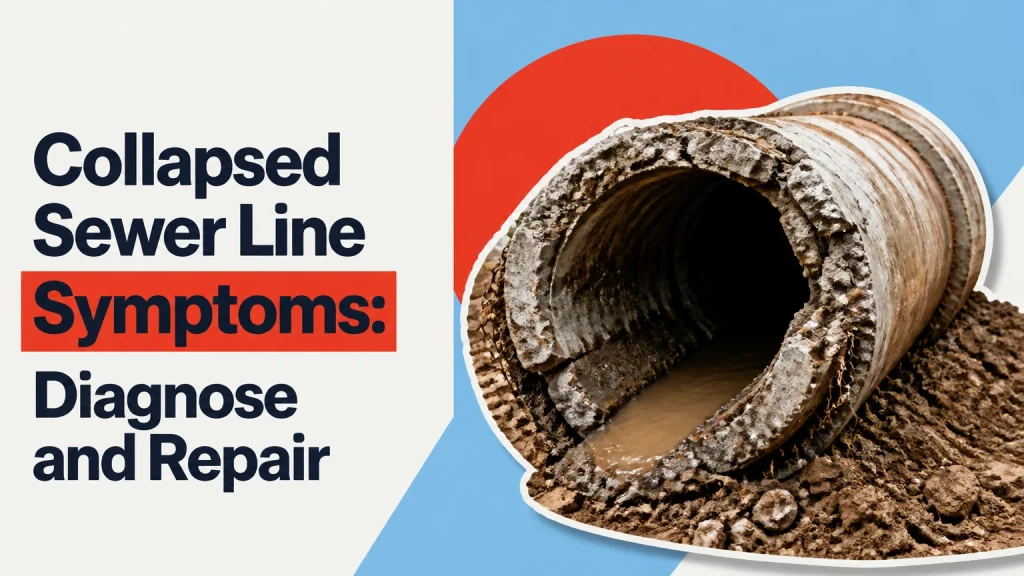
Collapsed sewer line symptoms usually include backups in multiple fixtures, recurring blockages after cleaning, gurgling drains, sewage odors, and unusual wet or sunken ground above the lateral. These signs indicate a possible structural failure, but only a CCTV inspection can distinguish a collapse from roots, a severe clog, a pipe belly, or a broken connection. […]
Grease Trap Cleaning with Hydro Jetting: Cost and Process
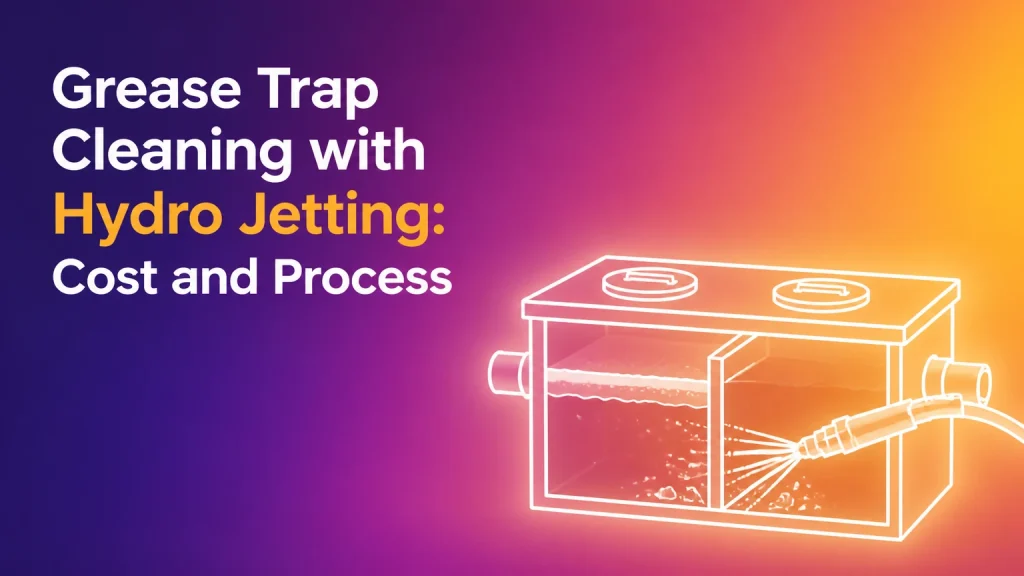
Grease trap cleaning with hydro jetting combines complete interceptor pumping with high-pressure water cleaning of grease-coated pipes, baffles, and tank surfaces. Vacuum extraction removes FOG and solids; controlled jetting clears the connected drain lines that pumping alone cannot clean. The correct pressure, nozzle, access point, and disposal method determine the result. Key Facts at a […]