Sewer Camera Inspection for Cast Iron Pipes: Complete Guide
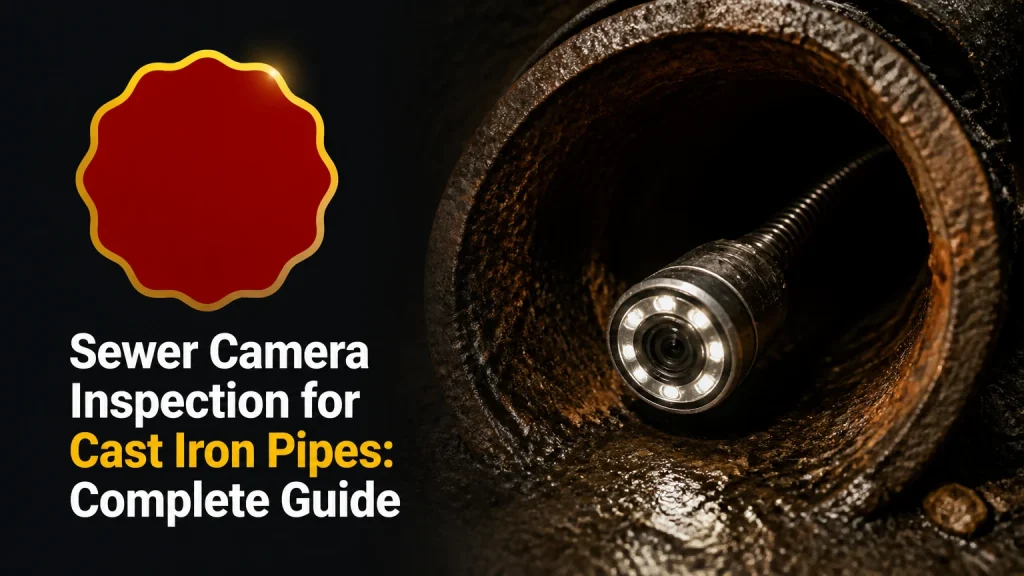
A sewer camera inspection for cast iron pipes uses a waterproof CCTV camera on a push cable to examine underground drain and sewer lines without excavation. The inspection can identify scale, corrosion, roots, cracks, offsets, bellies, and collapse, but it cannot directly measure the remaining thickness of the pipe wall. Key Facts A typical residential […]
Grease Trap Backup Causes: How to Diagnose and Prevent Them
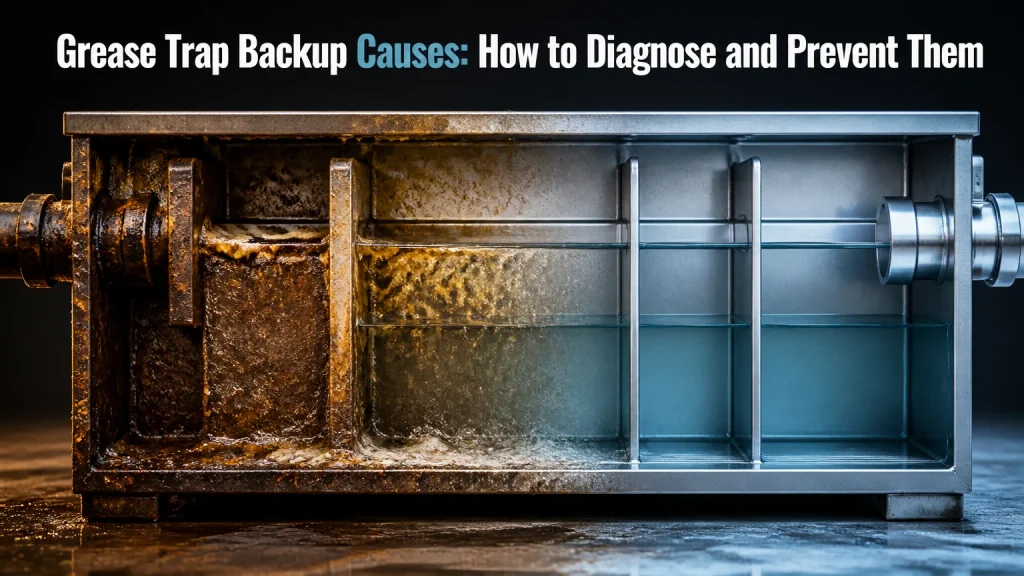
Grease trap backup causes usually fall into four locations: an overfilled interceptor, a blocked outlet baffle, a clogged pipe downstream, or an obstruction before the trap. Excess fats, oils, grease, food solids, undersized equipment, hot discharge, and missed pumping allow wastewater to reverse into sinks and floor drains. Key Facts at a Glance What Causes […]
Signs Grease Trap Needs Cleaning: The 25% Rule
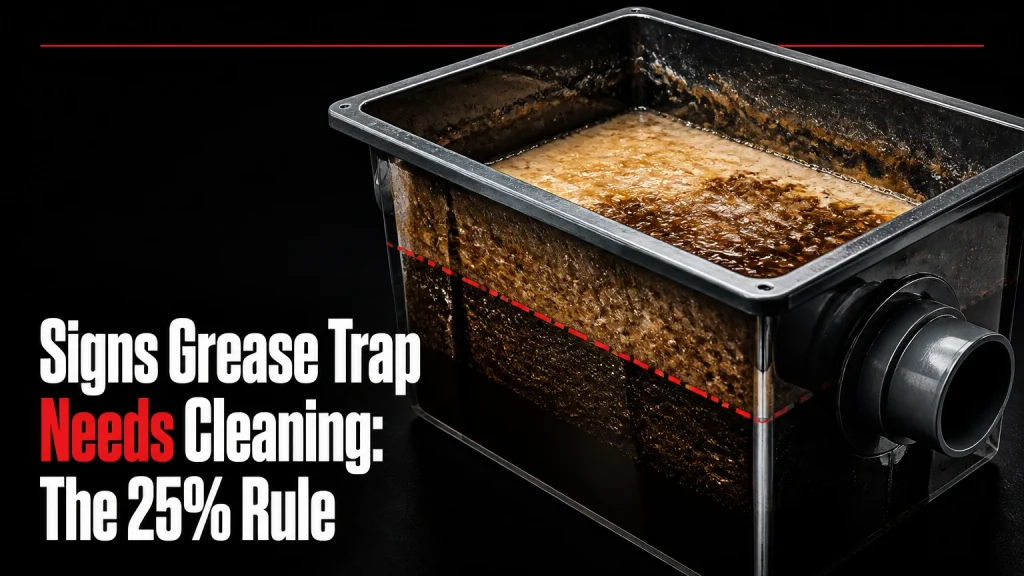
The clearest signs a grease trap needs cleaning are a grease or sludge layer reaching about 25% of the trap’s liquid depth, slow drains, rancid odors, gurgling, rising wastewater, or grease appearing downstream. A backup requires immediate service because a full trap can obstruct kitchen fixtures and discharge fats, oils, and grease into sewer lines. […]
Common Sewer Camera Inspection Findings: What They Mean
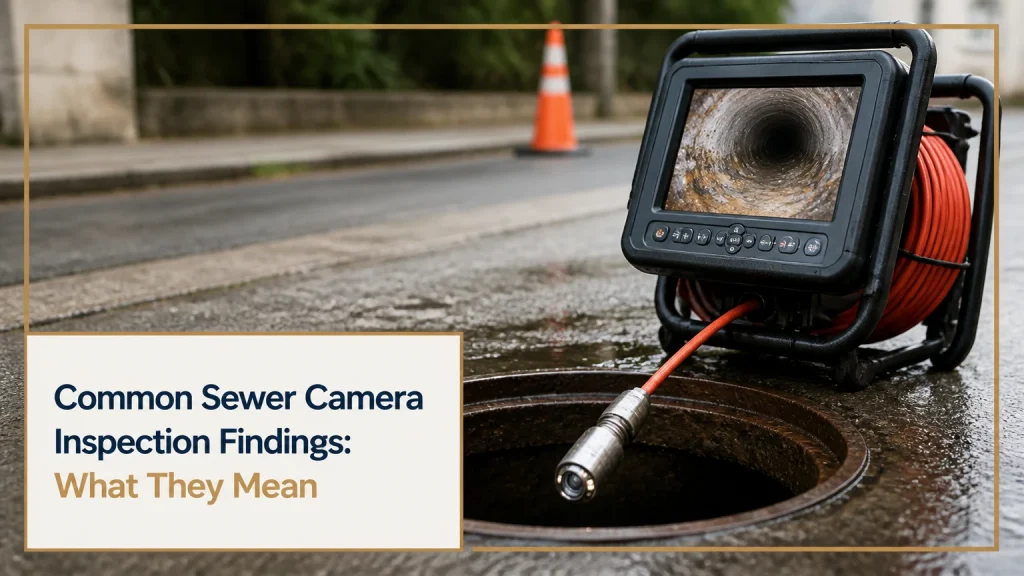
Common sewer camera inspection findings include root intrusion, grease, scale, cracks, offset joints, pipe bellies, corrosion, foreign objects, and structural collapse. A camera inspection shows where a defect occurs, how much of the pipe it affects, and whether cleaning, spot repair, trenchless lining, or excavation is proportionate. It cannot independently prove soil contamination, pipe ownership, […]
Restaurant Grease Trap Maintenance: A Working Plan
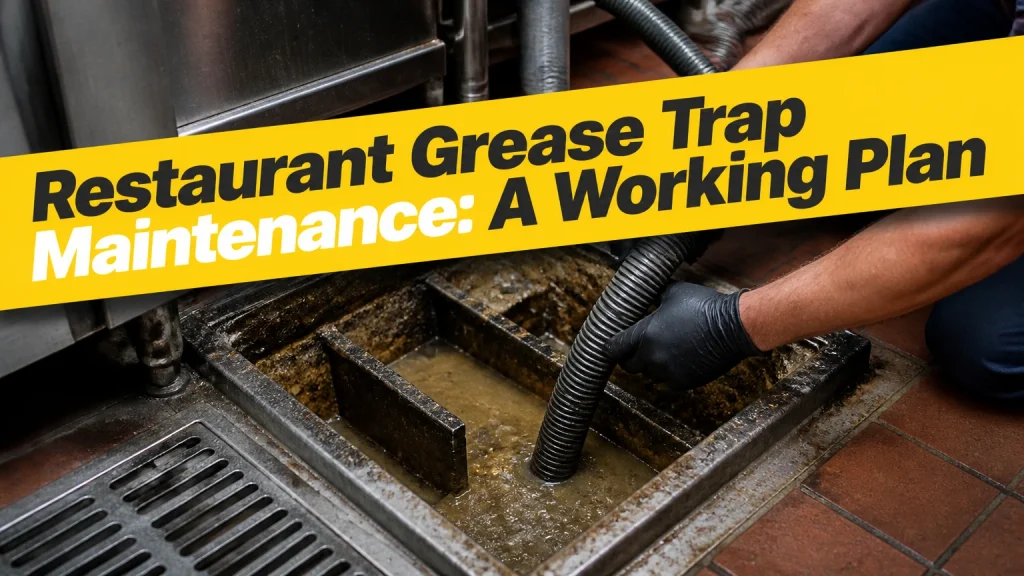
Restaurant grease trap maintenance is the scheduled inspection, cleaning, repair, and documentation of equipment that removes fats, oils, grease, and food solids from commercial kitchen wastewater. A reliable program combines source control with cleaning before the trap is overloaded, while local wastewater rules determine required frequency, records, and disposal. Key Facts at a Glance A […]
What Causes Grease Trap Overflow? Causes, Fixes, Prevention
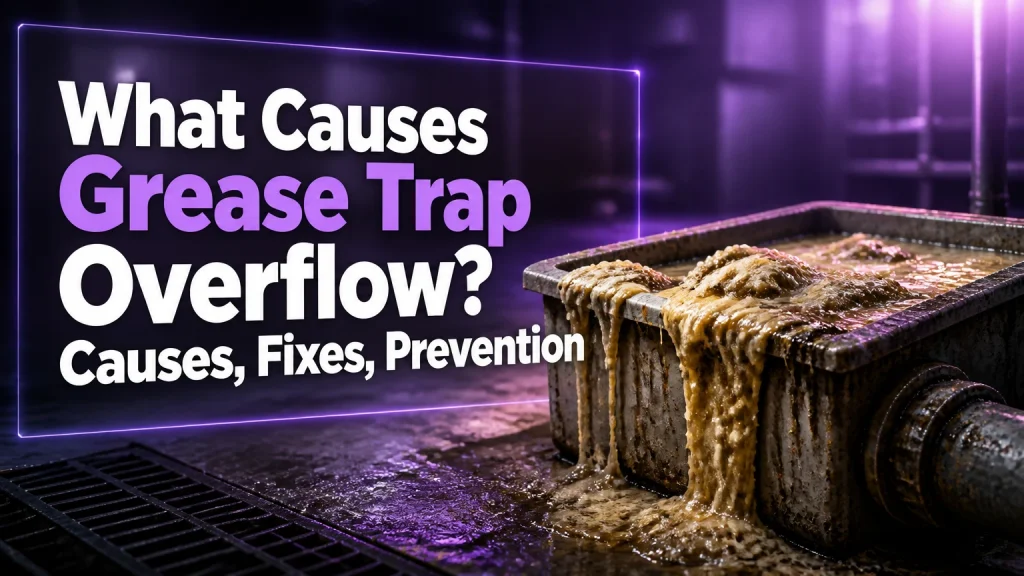
A grease trap overflows when accumulated fats, oils, grease, and food solids reduce the trap’s usable capacity or block the outlet, so incoming wastewater cannot pass into the drainage line. The most common causes are overdue pumping, excessive solids, an undersized or poorly installed interceptor, damaged internal baffles, and a clogged downstream pipe. Key Facts […]
Grease Trap Cleaning vs. Pumping: Which Service Wins?
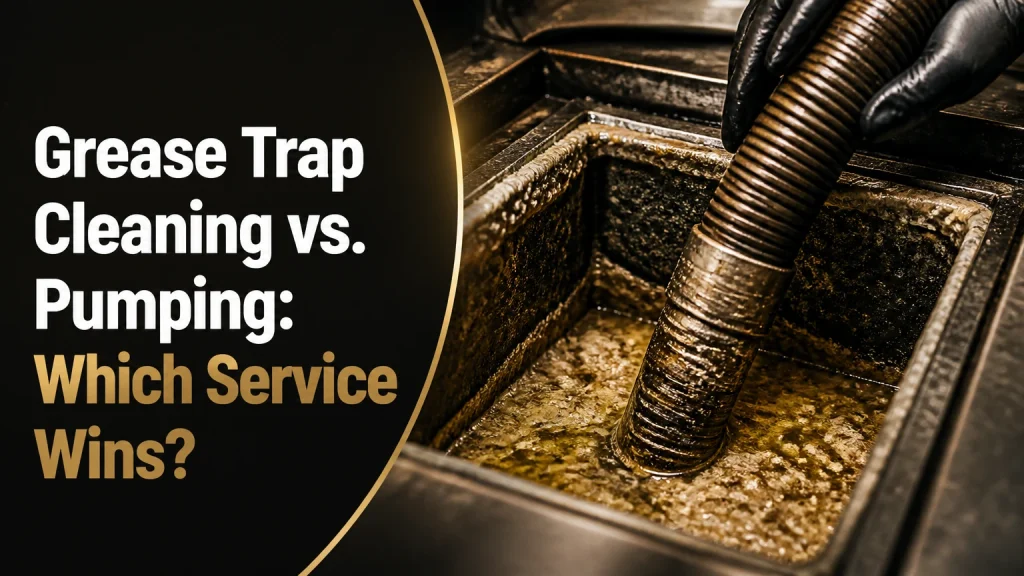
Grease trap cleaning removes liquid waste, settled solids, floating FOGS, and hardened deposits from walls and baffles, while grease trap pumping primarily evacuates the trap’s contents by vacuum. Pumping is faster and cheaper for routine removal, but full cleaning is required when grease scaling, odor, restricted capacity, inspection, or recurring blockage makes residual buildup a […]
How Does a Grease Trap Work? A Practical Guide
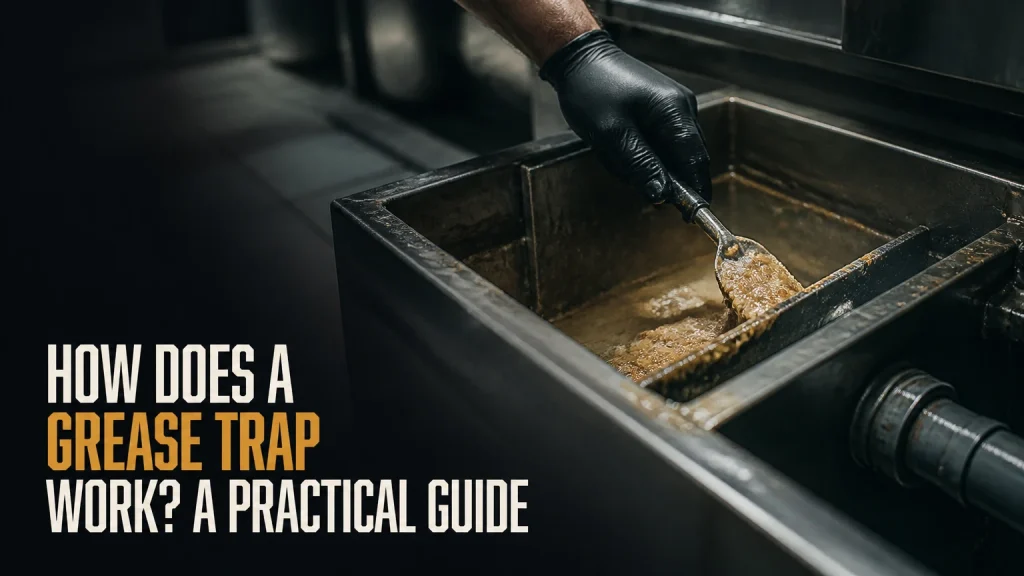
A grease trap is a plumbing device that separates fats, oils, grease, and settleable food solids from kitchen wastewater before discharge to a sewer. It slows the wastewater inside a baffled chamber, allowing lighter FOG to float, heavier solids to settle, and the clearer middle layer to leave through the outlet. Key Facts at a […]
Grease Trap Maintenance: The 25% Rule, Costs and Fixes
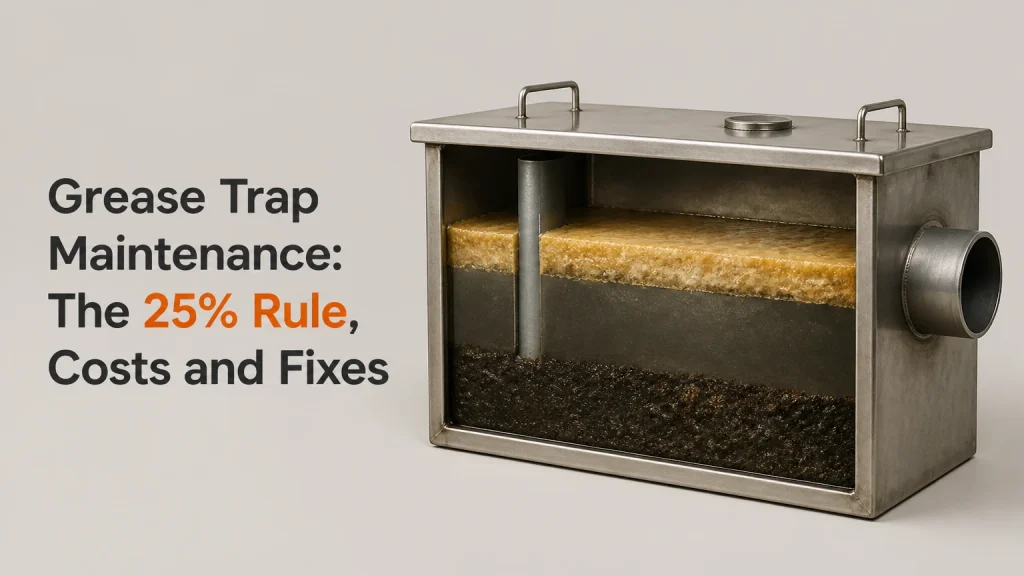
Grease trap maintenance is the inspection, measurement, cleaning, repair, and recordkeeping required to keep fats, oils, grease, and food solids out of sanitary sewer lines. A reliable program combines source control with cleaning before grease and sludge approach the limit set by the local sewer authority, commonly the 25% rule. Key Facts at a Glance […]
How to Prevent Grease Trap Clogs: A Practical Guide
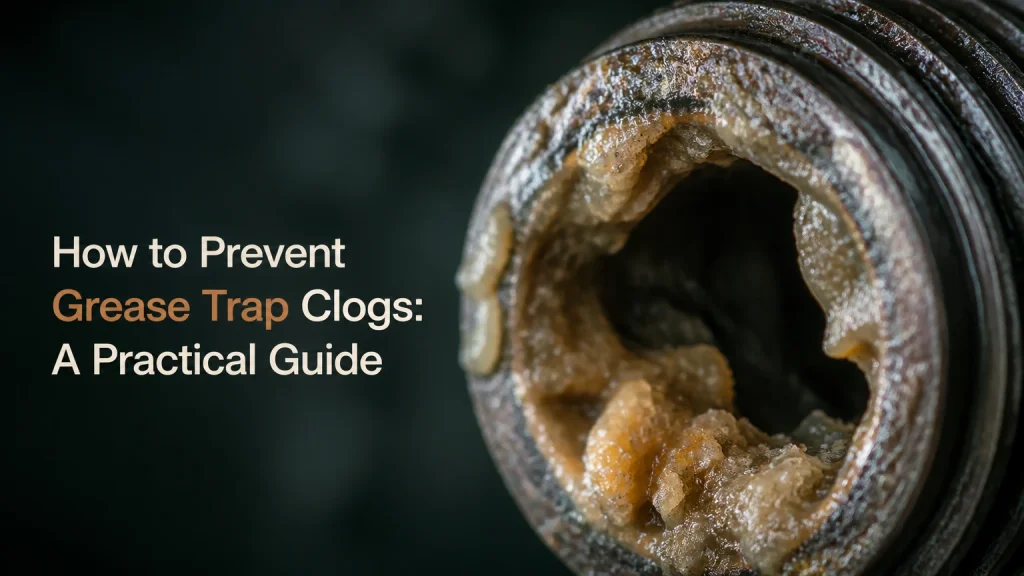
To prevent grease trap clogs, keep fats, oils, grease, and food solids out of wastewater, control incoming flow, inspect accumulation, and pump the trap before grease and sludge occupy 25% of its liquid capacity. Train staff at every sink, clean strainers during each shift, avoid chemical drain cleaners, and adjust service frequency to actual kitchen […]