How Often Should Grease Trap Be Cleaned? The 25% Rule
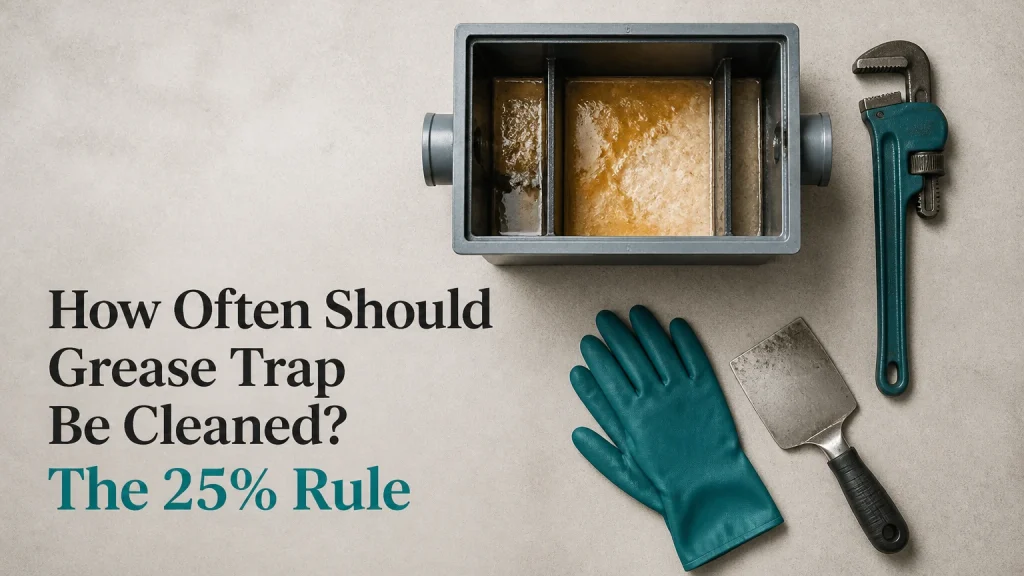
A commercial grease trap should usually be cleaned every 1-3 months, but the correct interval is the earliest of the local legal deadline, the manufacturer’s schedule, or the point when floating grease plus settled solids reaches 25% of the liquid depth. High-volume kitchens may need cleaning weekly or every 2-4 weeks, while a low-volume café […]
Commercial Grease Trap Cleaning: A Compliance Guide
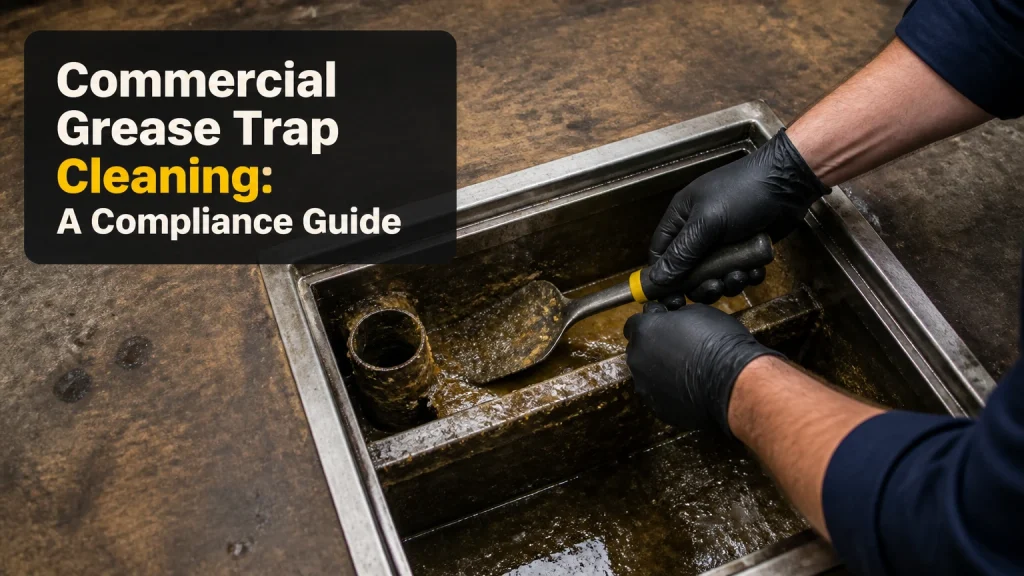
Commercial grease trap cleaning removes accumulated fats, oils, grease, food solids, and wastewater from a commercial grease trap or interceptor. Professional service prevents restricted flow, sewer blockages, odors, equipment damage, and local wastewater violations by measuring buildup, pumping the entire unit, inspecting components, and documenting legal disposal. Key Facts at a Glance What Does Commercial […]
Restaurant Grease Trap Cleaning: Costs, Steps, and Rules
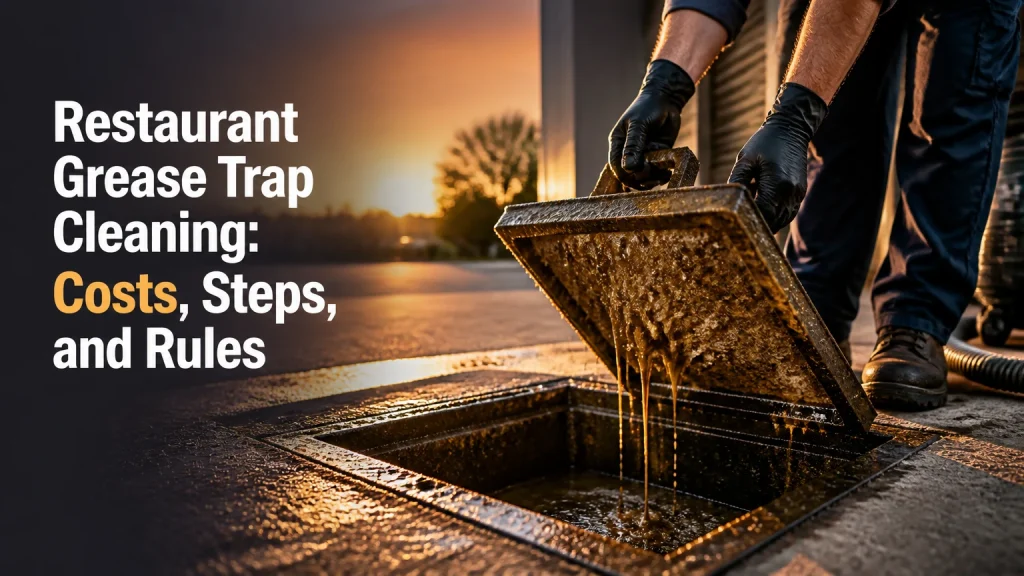
Restaurant grease trap cleaning removes accumulated fats, oils, grease, and food solids from a grease interceptor before those materials block plumbing or enter the sanitary sewer. The correct method depends on whether the restaurant has an indoor hydromechanical trap, an outdoor gravity interceptor, or an automatic grease removal device, while local sewer rules determine required […]
Grease Trap Clog Symptoms: Signs, Causes, and Fixes
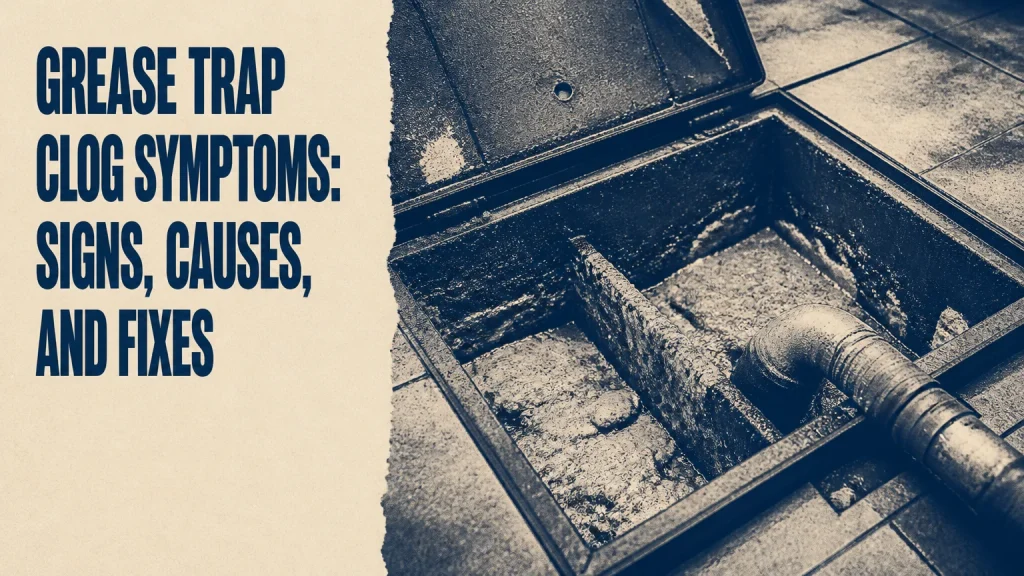
Grease trap clog symptoms usually begin with slow drainage or persistent rancid odors and progress to gurgling, standing water, grease overflow, and backups at multiple fixtures. The blockage may be inside the grease trap, in the inlet pipe, or farther downstream, so the correct diagnosis depends on which fixtures are affected and how wastewater behaves […]
Sewer Camera Inspection for Clay Pipes: Read the Footage
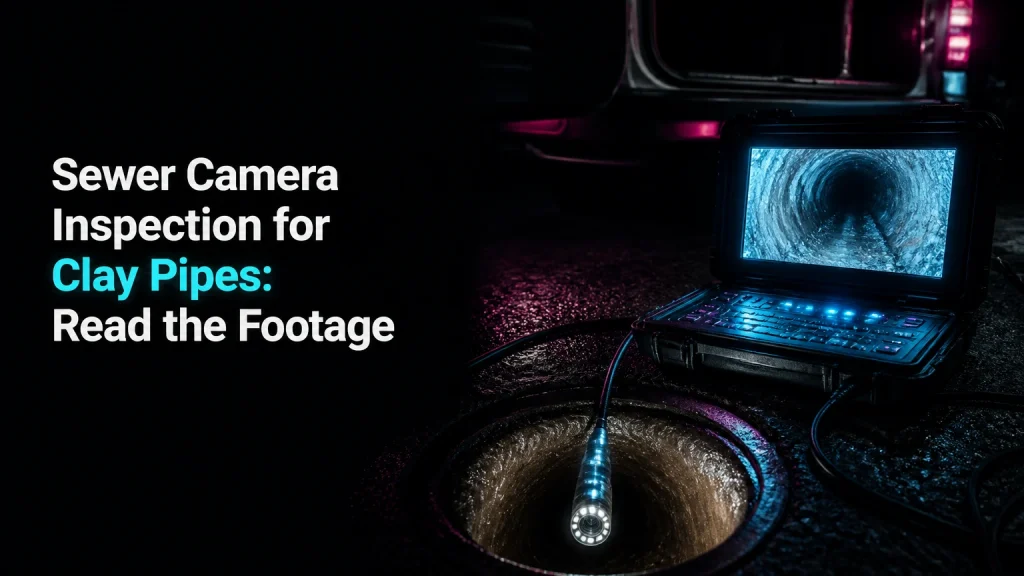
A sewer camera inspection for clay pipes is a CCTV examination of a buried or concealed sanitary sewer lateral using a waterproof camera on a flexible push cable. The technician records the pipe interior, measures defect locations, and may use a sonde transmitter to mark breaks, root masses, and offsets above ground without excavation. Key […]
How to Clean a Grease Trap Safely and Completely
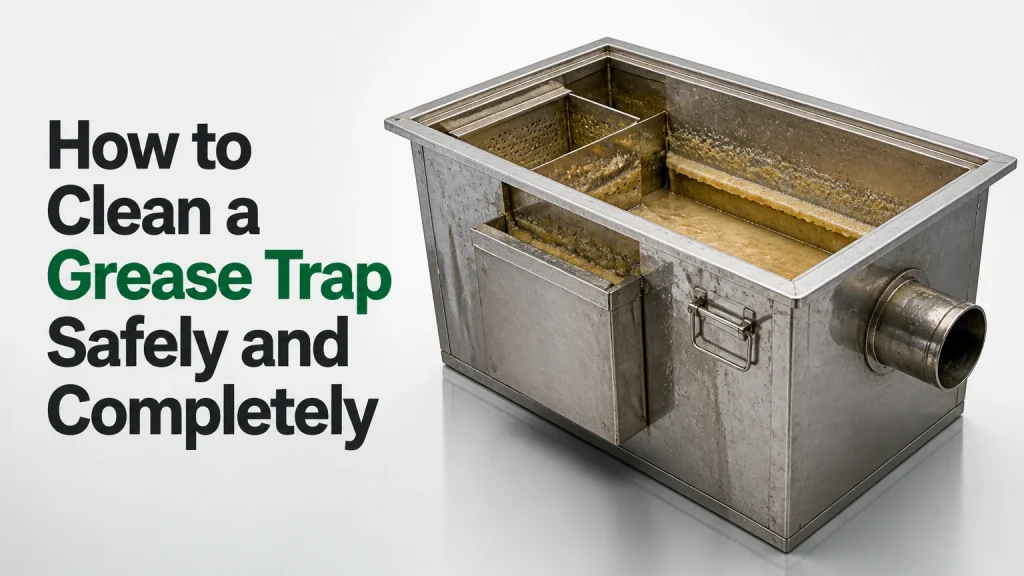
To clean a grease trap, isolate incoming wastewater, remove the lid safely, measure and extract floating grease and settled solids, scrape the baffles and tank, inspect the gasket, then reassemble and refill the unit with clean water. A small indoor trap usually takes 30-45 minutes; outdoor interceptors generally require a licensed pumper. Key facts A […]
What Happens If Grease Trap Is Not Cleaned: Risks and Fixes
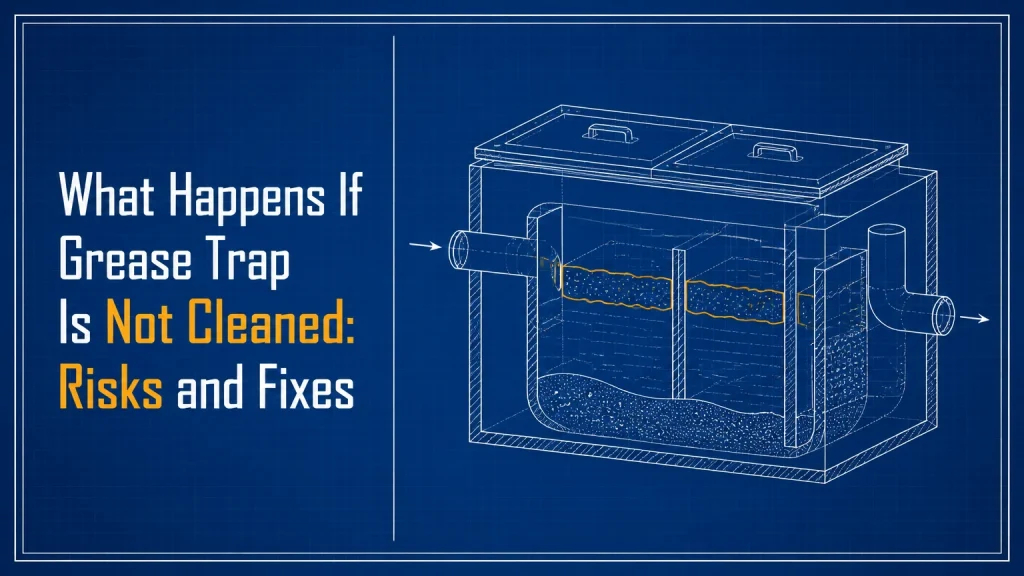
What happens if grease trap is not cleaned is a predictable progression from reduced capacity to slow drains, foul odors, blockages, sewage backups, equipment damage, and regulatory penalties. A neglected grease trap allows fats, oils, grease, food solids, and wastewater to pass into downstream plumbing after the unit loses effective retention capacity. Key Facts at […]
How to Get Rid of Grease Trap Smell: Fix It at the Source
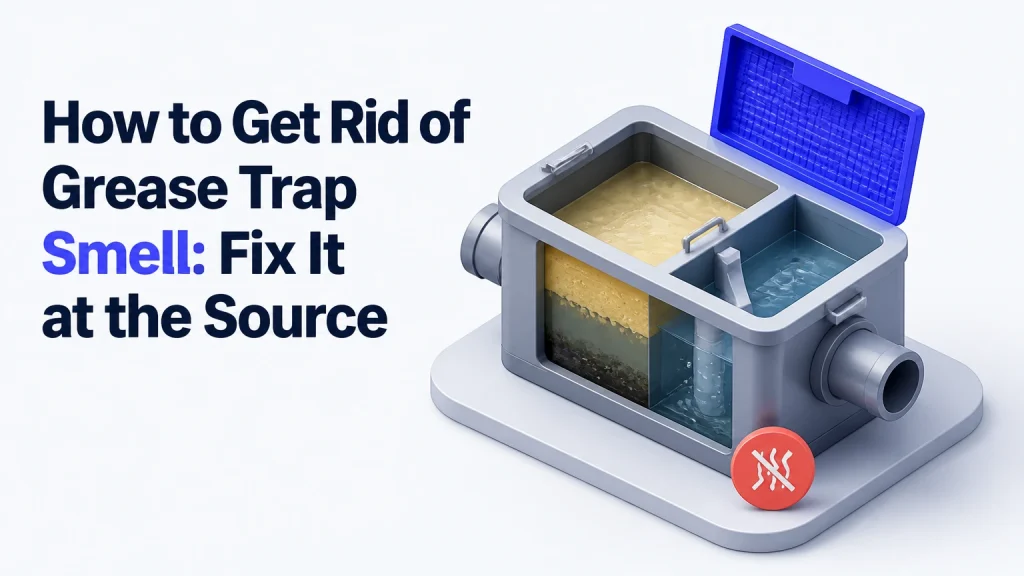
A grease trap smell usually comes from decomposing food solids and fats, oils, and grease inside an overdue, poorly sealed, or inadequately ventilated trap. Remove the accumulated waste mechanically, clean the baffles and lid seal, restore the water barrier, and then use source control or a compatible biological treatment to prevent the odor from returning. […]
Grease Trap Cleaning Process: Steps, Costs, and Rules
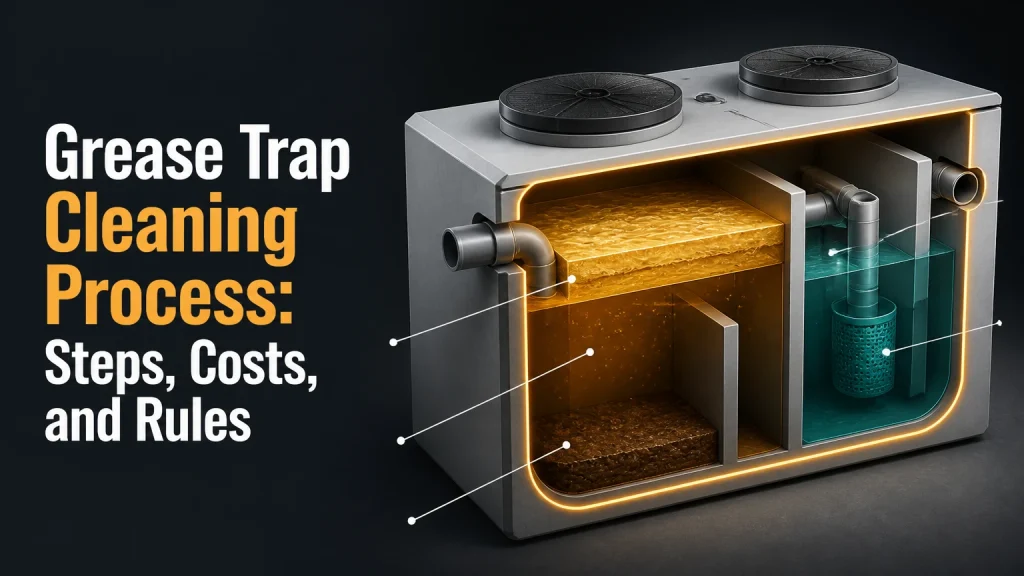
The grease trap cleaning process removes accumulated fats, oils, grease, wastewater, and settled food solids from a plumbing interceptor so the unit can separate waste before discharge. A complete service includes safe isolation, measurement, full pumping or removal, baffle and gasket inspection, interior cleaning, reassembly, flow testing, and a dated maintenance record. Key Facts at […]
Why Does My Grease Trap Smell? Causes, Fixes, and Costs
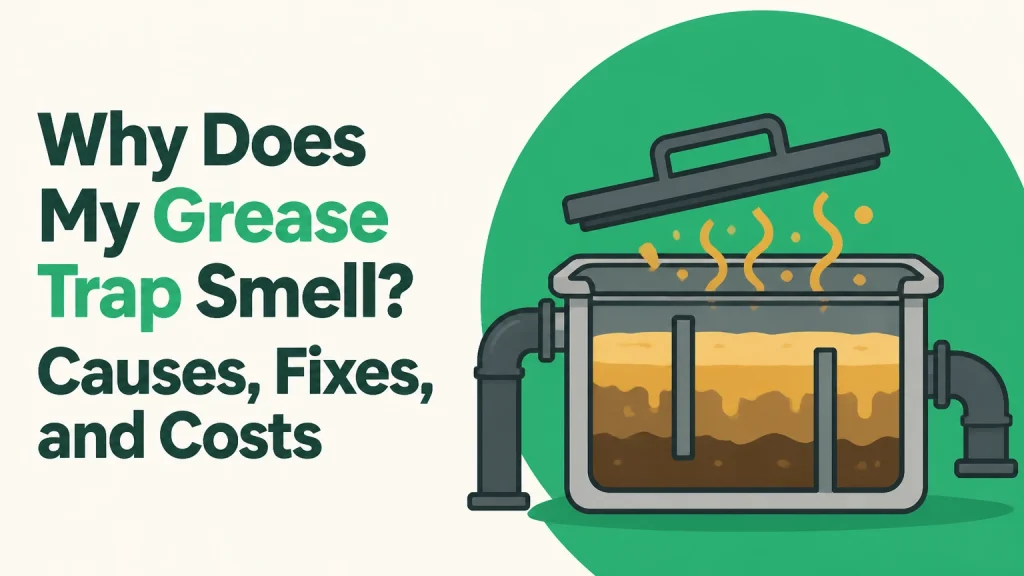
A grease trap smells because fats, oils, grease, and food solids are decomposing in oxygen-poor wastewater, producing odorous compounds such as hydrogen sulfide and volatile fatty acids. A full trap, failed seal, blocked vent, dry drain trap, damaged baffle, or grease-coated drain line can let those odors enter the kitchen instead of containing them. Key […]