Sewer Line Replacement Process: Costs, Steps, and Choices
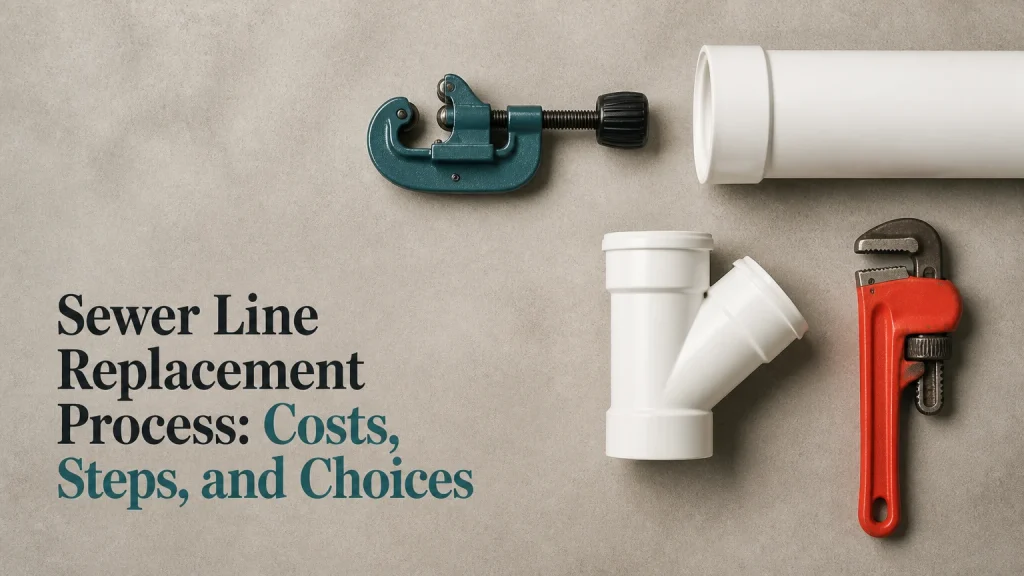
The sewer line replacement process removes a failed underground building sewer and installs a new pipe between the home’s plumbing system and a municipal sewer main or private septic tank. A typical project includes camera diagnosis, utility locating, permits, excavation or trenchless access, installation, testing, and surface restoration. Key Facts at a Glance What the […]
Sewer Repair vs Sewer Lining: Which Method Fits?
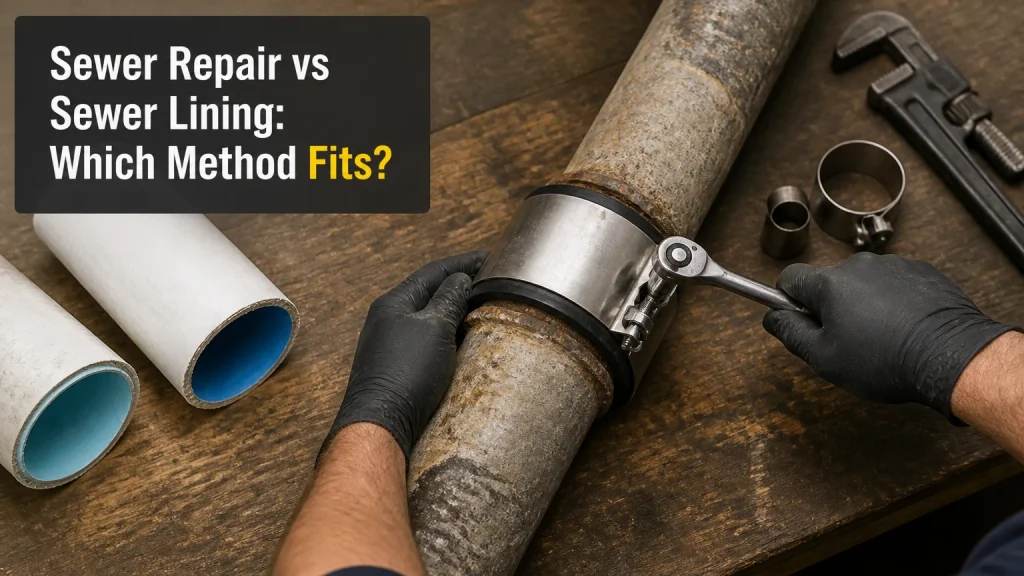
Sewer repair usually means excavating and replacing damaged pipe, while sewer lining rehabilitates the existing pipe from inside with a resin-saturated sleeve. Open-cut replacement is the better solution for collapsed, badly sagging, misaligned, or inaccessible lines. Sewer lining is often better for structurally sound pipes with cracks, root intrusion, leaking joints, and valuable landscaping above […]
Sewer Line Corrosion Symptoms: Signs, Tests, Repairs
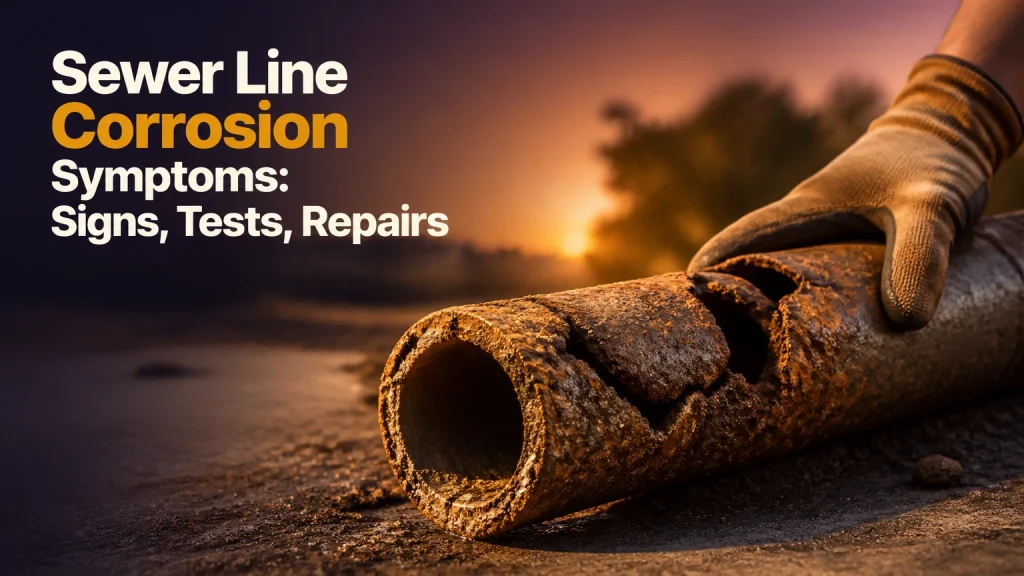
Sewer line corrosion symptoms include recurring multi-fixture slow drainage, gurgling, sewer odors, backups, and wet or unusually green soil above the buried line. These signs are not diagnostic by themselves. A CCTV inspection must confirm corrosion by showing wall loss, tuberculation, channeling, crown erosion, pinholes, or structural failure. Key Facts at a Glance What Are […]
How to Clean Grease Interceptor in 8 Safe Steps
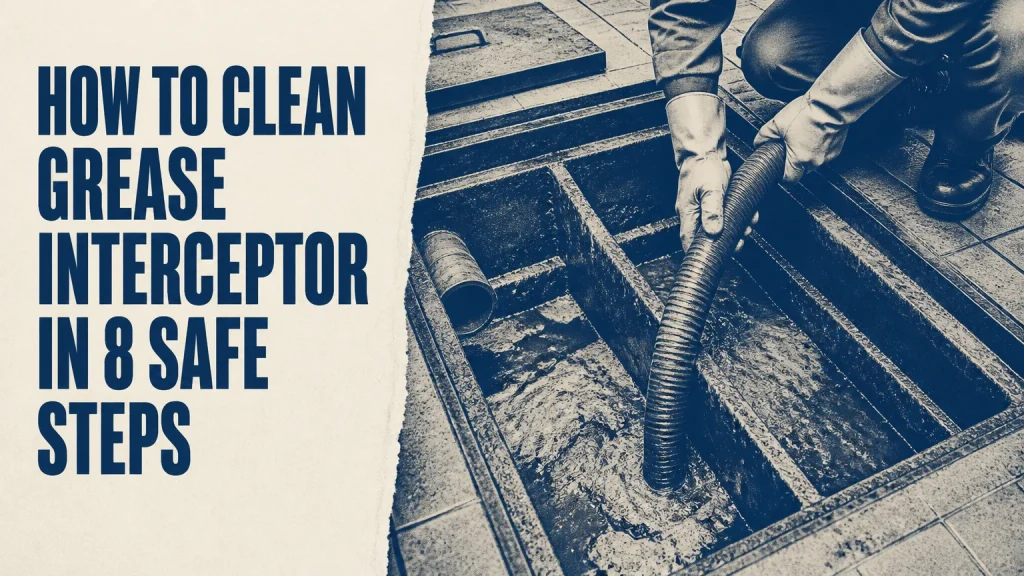
To clean a grease interceptor, shut down connected fixtures, cool the wastewater, remove the lid, measure the grease and sludge layers, scoop out solids, scrape and wash the tank and baffles, then reinstall the components and gasket correctly. A small under-sink interceptor usually takes 30-60 minutes; an outdoor gravity interceptor normally requires licensed pumping equipment. […]
Signs of a Collapsed Sewer Line: Warning Signs and Next Steps
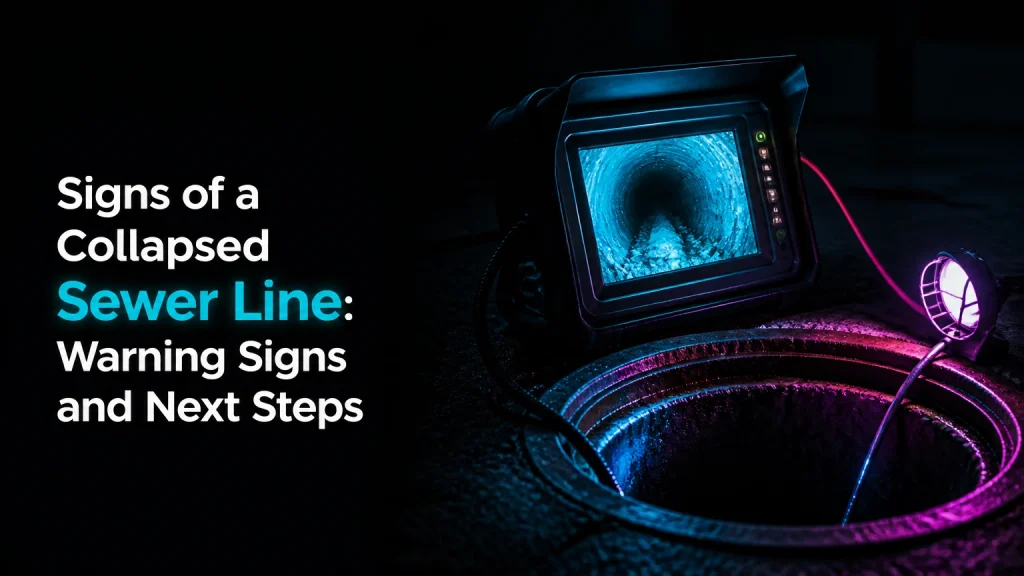
The most reliable signs of a collapsed sewer line are simultaneous backups in multiple fixtures, wastewater returning through the lowest drains, repeated main-line stoppages, and a camera-confirmed break or obstruction. Outdoor clues include sewage-saturated soil, a linear lawn depression, or settlement near the sewer route. Stop using water and arrange professional inspection when several signs […]
Grease Trap Cleaning With a Pump: Cost and Steps
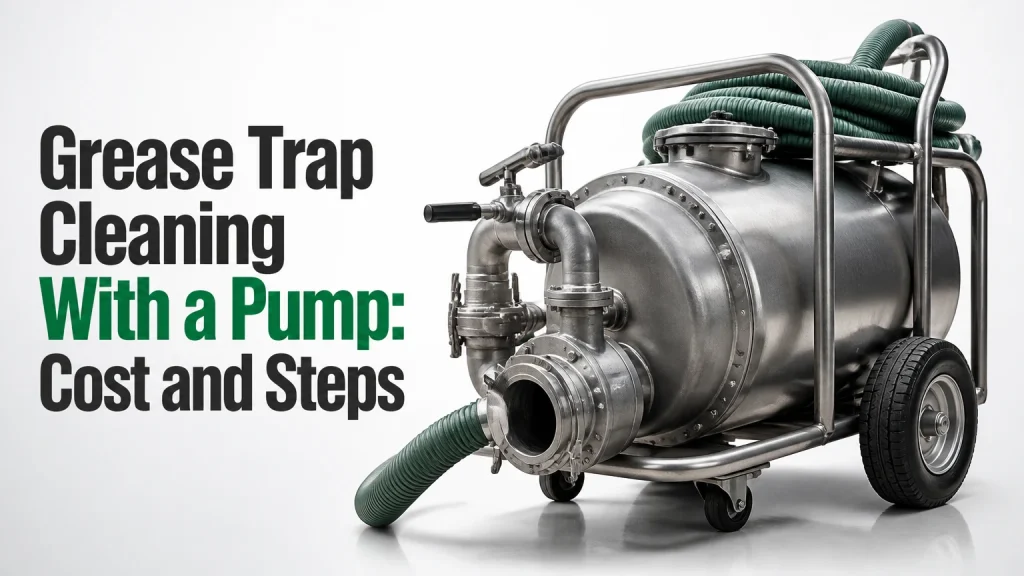
Grease trap cleaning with a pump removes wastewater, fats, oils, grease, and settled solids from a plumbing interceptor so the trap can separate kitchen waste correctly. A complete service isolates the fixture, measures accumulated layers, extracts the bottom sludge and floating grease, cleans accessible components, inspects the tank, refills it with water, and documents legal […]
Tree Root Sewer Line Damage: Find the Right Fix
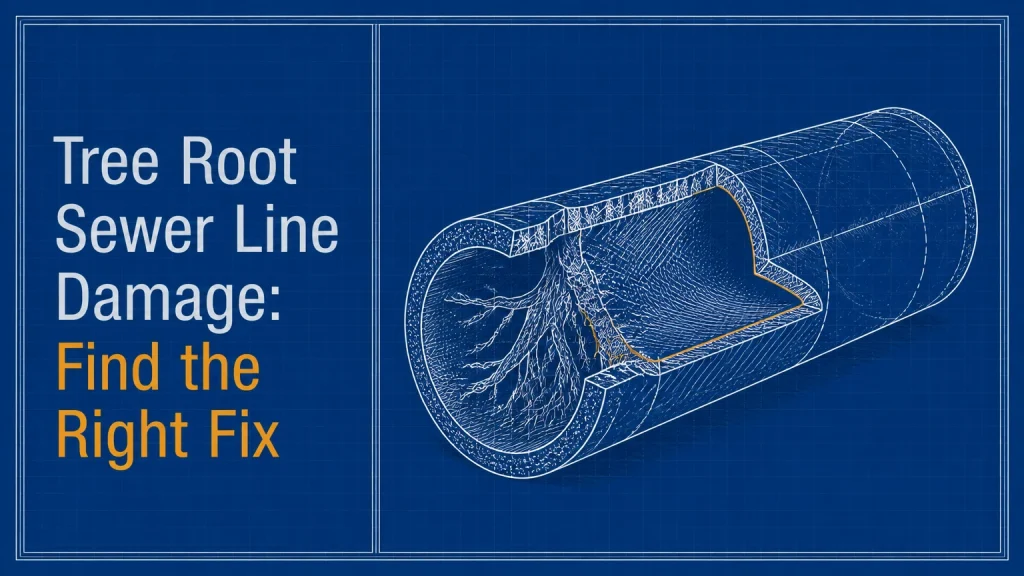
Tree root sewer line damage occurs when roots enter a defective underground sewer pipe through an open joint, crack, failed seal, or connection, then form a blockage that can worsen leakage and structural failure. A camera inspection determines whether cleaning is enough or whether the lateral needs lining, replacement, or excavation. Key facts at a […]
Grease Trap vs Oil Separator: Which One Fits?
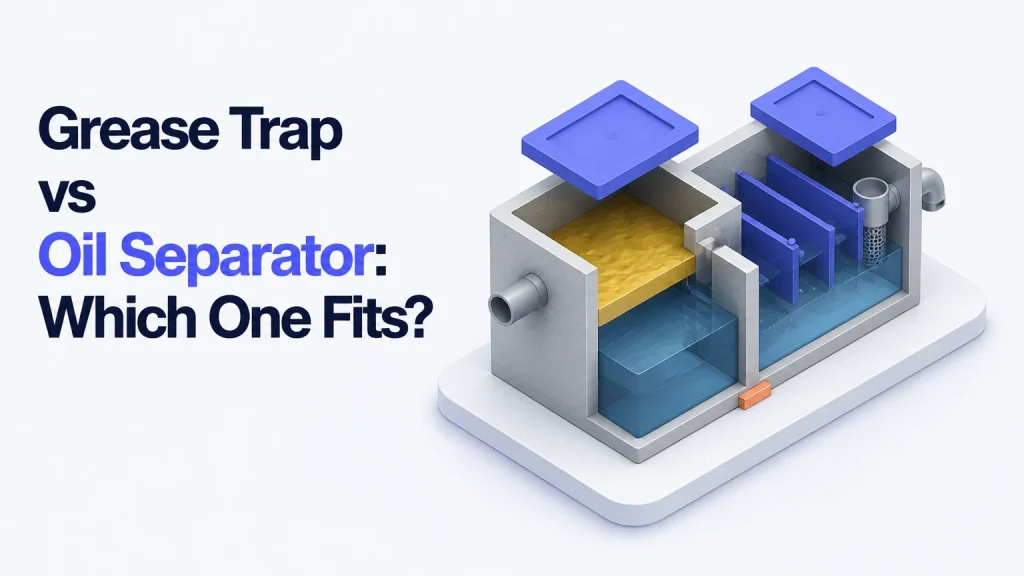
A grease trap captures fats, oils, and grease from commercial kitchen wastewater, while an oil separator captures petroleum-based hydrocarbons from vehicle, fuel, and industrial drainage. The correct choice depends first on the pollutant source, then on flow rate, solids, drainage type, discharge limits, and whether oils are emulsified. Key facts at a glance Grease traps […]
Signs of a Broken Sewer Line: 11 Signs and Repair Decisions
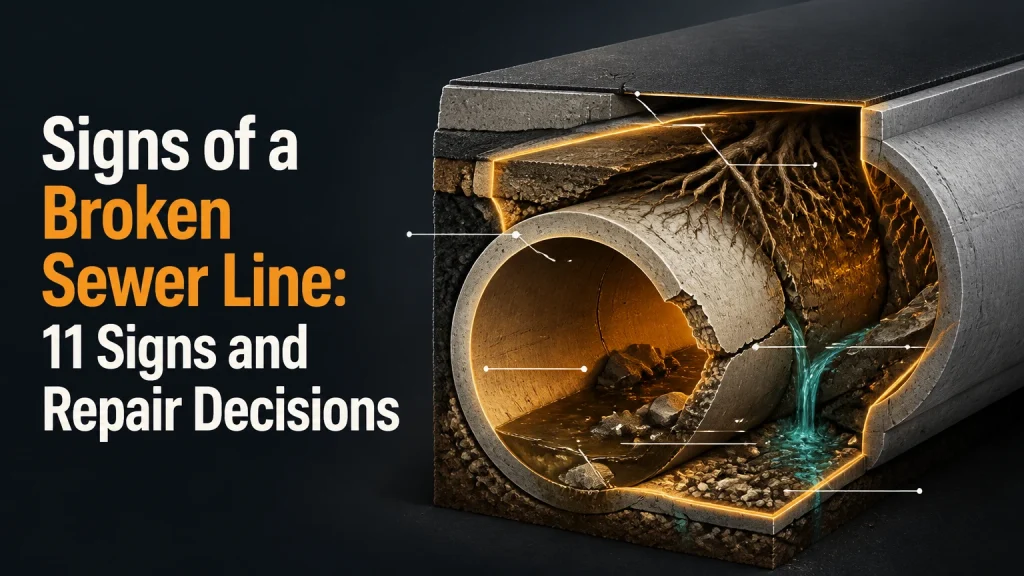
The most reliable signs of a broken sewer line are recurring backups in multiple fixtures, sewage odors that persist after traps are checked, unusually wet or settled ground, and camera-confirmed cracks, root intrusion, sagging, or collapse. A single slow sink usually indicates a local clog, while system-wide symptoms point toward the building sewer or private […]
Sewer Line Leak Symptoms: 15 Signs and Fast Next Steps
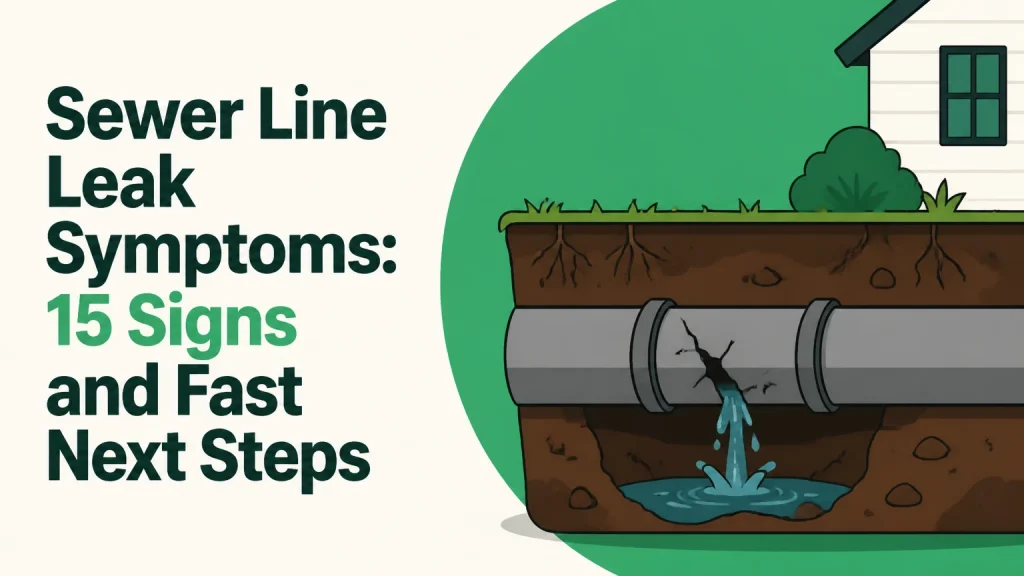
Sewer line leak symptoms include persistent sewage odor, several slow drains, gurgling toilets, wastewater backing up into low fixtures, unexplained indoor dampness, and unusually green or soggy ground above the buried pipe. These signs indicate a damaged, blocked, or leaking building sewer, but a camera inspection is usually needed to distinguish a structural leak from […]